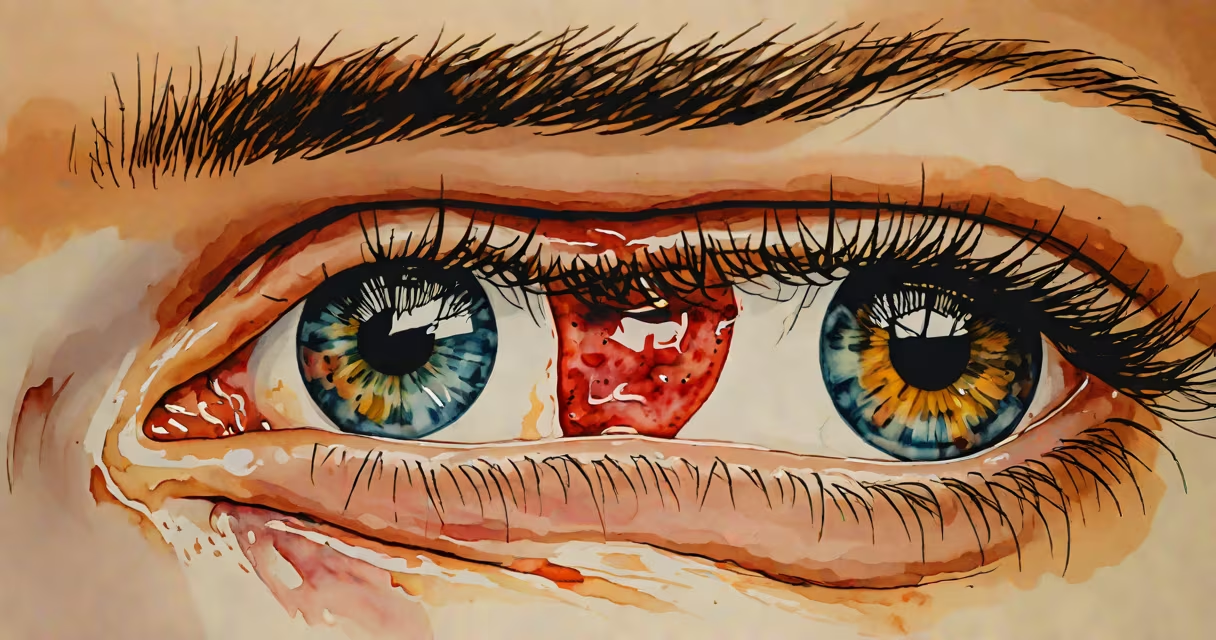
A swollen eyelid is usually caused by irritation, infection, or injury. Most cases resolve with home care, but severe swelling may require medical attention.
Common causes of swollen eyelids
Swelling occurs when fluid accumulates in the soft tissues around your eye. Common triggers include:
Allergies: Pollen, pet dander, or dust mites can cause allergic reactions, leading to swollen eyelids and itching
Conjunctivitis: Also known as pink eye, this infection causes redness, swelling, and discharge
Styes: A painful bump caused by a bacterial infection in an oil gland near the eyelash root
Chalazion: A blocked oil gland in the eyelid that forms a painless lump
Eye injuries: Trauma or foreign objects can cause localized swelling
When to see a doctor
Most swollen eyelids improve within a few days. See a doctor if:
Swelling lasts longer than 48 hours without improvement
Your vision changes or becomes blurry
You experience severe pain or sensitivity to light
Swelling spreads to other parts of your face or body
You have a fever or other signs of infection
Home remedies for swollen eyelids
Try these treatments to reduce swelling and discomfort:
Remedy
How It Helps
Cold compress
Reduces swelling and numbs pain
Over-the-counter antihistamines
Relieves allergy-related swelling
Artificial tears
Lubricates eyes and flushes irritants
Warm compress
Helps drain blocked glands in styes or chalazia
Preventing swollen eyelids
To minimize eye swelling:
Avoid rubbing your eyes
Wear sunglasses outdoors to protect against UV rays and debris
Remove eye makeup thoroughly before bed
Wash hands frequently to prevent infections
Manage allergies with medications or immunotherapy
When swelling persists
If your eyelid remains swollen despite home care, consult a healthcare provider. Persistent swelling may indicate an underlying condition requiring professional treatment.