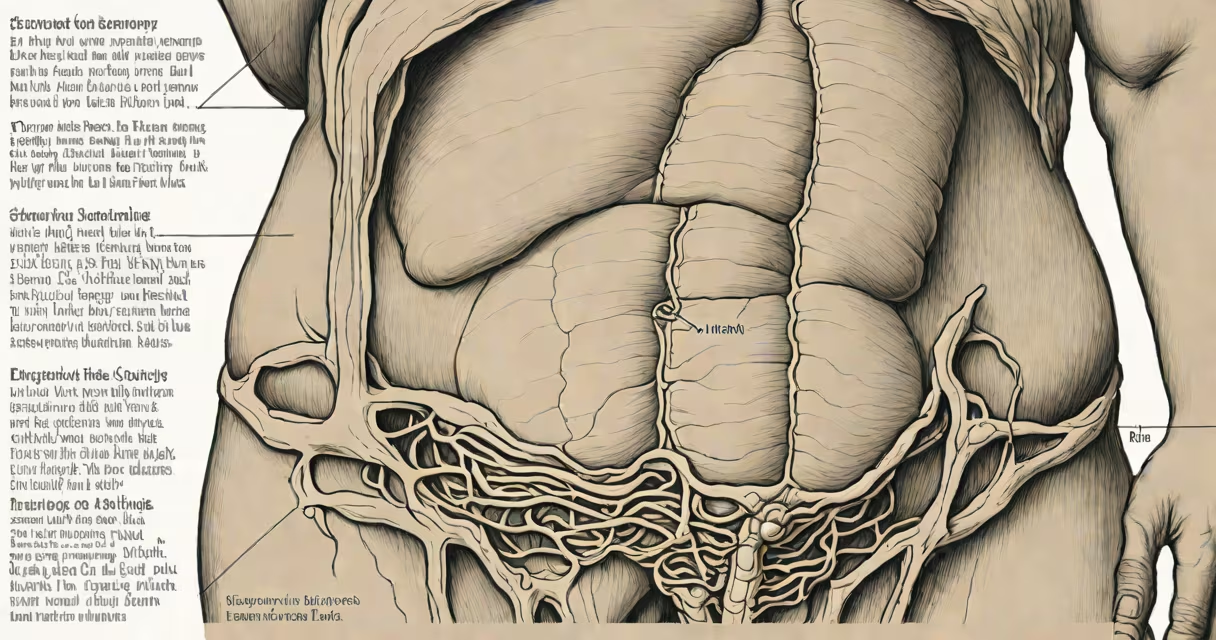
When your stomach appears larger than normal due to internal fluid accumulation or tissue expansion, doctors call this swelling. Unlike temporary bloating, which often results from gas or indigestion, swelling typically indicates an underlying medical condition requiring attention.
Many people confuse stomach swelling with bloating, but they're distinct. Bloating feels like pressure or fullness, often after eating. Swelling involves visible enlargement due to fluid retention, inflammation, or other physiological changes.
| Characteristic | Swelling | Bloating |
|---|---|---|
| Duration | Persistent | Temporary |
| Appearance | Visible enlargement | No visible change |
| Common Causes | Fluid retention, infections, tumors | Gas, overeating, food intolerances |
Several conditions can cause stomach swelling. Ascites, a buildup of fluid in the abdominal cavity, often results from liver disease or heart failure. Infections, such as gastroenteritis, can also trigger swelling. Less commonly, tumors or cysts may cause localized enlargement.
Seek medical attention if your swollen stomach persists for more than a few days, especially if accompanied by pain, fever, or unexplained weight gain. These symptoms may indicate a serious underlying condition requiring treatment.
If you notice sudden swelling along with difficulty breathing or chest pain, go to the emergency room immediately. These could signal a severe allergic reaction or other life-threatening conditions.
Doctors diagnose the cause of stomach swelling through physical exams, blood tests, and imaging studies like ultrasounds or CT scans. They may also perform a paracentesis-a procedure where a needle extracts fluid from the abdomen for analysis.
Treatment depends on the underlying cause. For ascites related to liver disease, doctors prescribe diuretics to reduce fluid retention. Infections require antibiotics, while tumors may need surgical removal.
I once had a patient who thought their stomach swelling was just bloating from overeating. After persistent symptoms, they visited a doctor and were diagnosed with early-stage ovarian cancer. Early detection made treatment more effective, highlighting the importance of paying attention to your body's signals.
While medical treatment addresses the root cause, certain lifestyle changes can help manage symptoms. Reducing sodium intake decreases fluid retention. Eating smaller, frequent meals instead of large portions can also alleviate discomfort.
Staying hydrated and exercising regularly supports digestive health. However, avoid intense abdominal workouts if swelling is severe, as they may worsen discomfort.
Many people assume stomach swelling is always due to weight gain or overeating. While these factors can contribute, they're not the only causes. Some medications, such as steroids or estrogen, can also lead to swelling.
Another common misconception is that stomach swelling is harmless. Ignoring persistent swelling can delay diagnosis of serious conditions like liver disease or cancer. Always consult a healthcare professional if you're concerned about your symptoms.