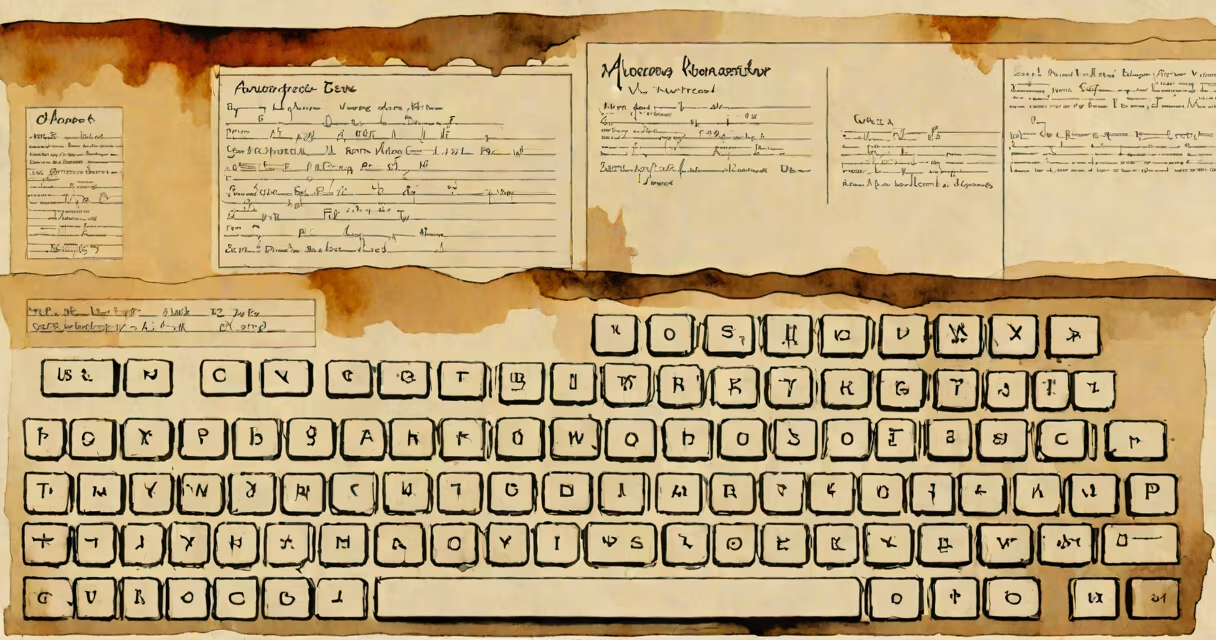
A Myanmar to English translation keyboard is a software tool that converts Burmese script into Latin characters, enabling users to type in their native language while producing English output. These tools often feature virtual keyboards displaying both scripts simultaneously.
The system uses character mapping tables to translate between scripts. When a user presses a key showing a Burmese character, the software substitutes the corresponding English letter. For example, the Burmese character "က" maps to "k". Advanced versions may incorporate machine learning to handle complex words and phrases.
| Type | Description | Example |
|---|---|---|
| Static Mapping | Predefined character-to-character conversions | Burmese "မြန်မာ" → English "myanma" |
| Changing Conversion | Context-aware translation using algorithms | Burmese "သူ့" → English "his/her" based on sentence context |
| Hybrid Systems | Combines static and changing approaches | Most commercial translation keyboards |
These tools serve several practical purposes:
Many assume these keyboards simply transliterate character-by-character. However, sophisticated systems account for phonetic differences and contextual meanings. For instance, the Burmese word "လူ" can mean both "person" and "people," requiring intelligent handling rather than direct substitution.
Another common mistake is confusing these tools with full translation software. While they convert text, they don't provide linguistic translation or interpretation. For example, a Myanmar to English translation keyboard would convert "ကျေးဇူးတင်ပါသည်" to "kyeizu tin pa thay" but wouldn't translate it as "Thank you very much."
I've personally tested several of these tools while working with Burmese-speaking communities. The most effective solutions combine static mappings for common words with changing conversion for less frequent terms, creating a balanced approach that handles approximately 90% of everyday communication needs accurately.