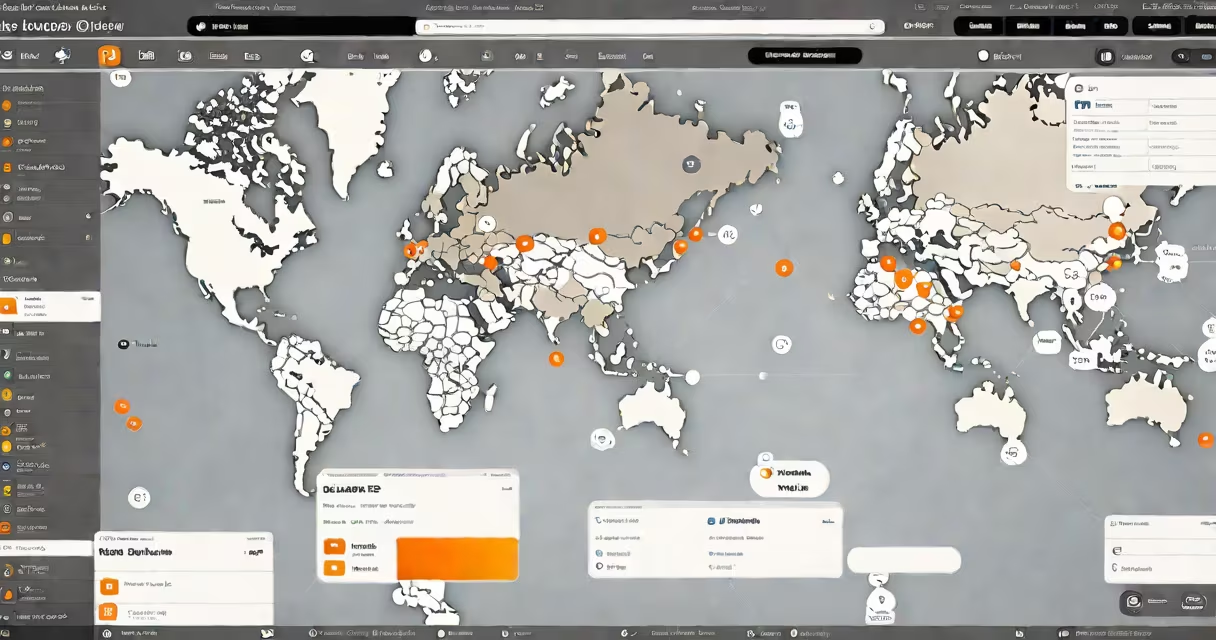
My logistics tracking is a system that provides real-time visibility into the movement of goods throughout the supply chain. It allows businesses to monitor shipments using GPS, RFID, or other technologies.
Logistics tracking systems use a combination of hardware and software to monitor shipments. GPS devices or RFID tags are placed on shipments, which transmit data to a central platform. This platform processes the data and displays it in a user-friendly dashboard, allowing users to see the real-time location and status of their shipments.
For example, a retail company shipping products from a manufacturer to a warehouse would place a GPS device on each pallet. As the pallets move through the supply chain, the GPS devices transmit data to the logistics tracking platform. The platform then displays the real-time location and status of each pallet, allowing the retail company to monitor the progress of their shipments.
| Type | Description | Use Case |
|---|---|---|
| Real-Time Tracking | Provides up-to-the-minute location and status updates | High-value or time-sensitive shipments |
| Predictive Tracking | Uses historical data and machine learning to predict future locations and statuses | Long-haul or international shipments |
| Event-Based Tracking | Triggers alerts when specific events occur, such as delays or route deviations | Shipments with strict delivery requirements |
Logistics tracking is used across various industries, including retail, manufacturing, healthcare, and food and beverage. It helps businesses improve supply chain visibility, reduce costs, and improve customer service.
For instance, a pharmaceutical company might use logistics tracking to monitor the temperature and location of sensitive medications during transit. If the temperature exceeds a certain threshold, the tracking system would trigger an alert, allowing the company to take corrective action.
One common misconception about logistics tracking is that it's only useful for large enterprises. In reality, small and medium-sized businesses can also benefit from logistics tracking, especially as they grow and expand their operations.
Another misconception is that logistics tracking is only used for monitoring shipments. However, it can also be used to track inventory levels, manage warehouse operations, and improve routes.
I once worked with a client who shipped perishable goods across the country. They implemented a logistics tracking system that provided real-time temperature and location updates. This allowed them to quickly identify and address any issues during transit, reducing spoilage and improving customer satisfaction.
According to a study by Gartner, businesses that implement logistics tracking can reduce supply chain costs by up to 10% and improve on-time delivery performance by up to 15%. Another report by Material Handling Institute found that real-time visibility into shipments can lead to a 20% reduction in inventory levels.