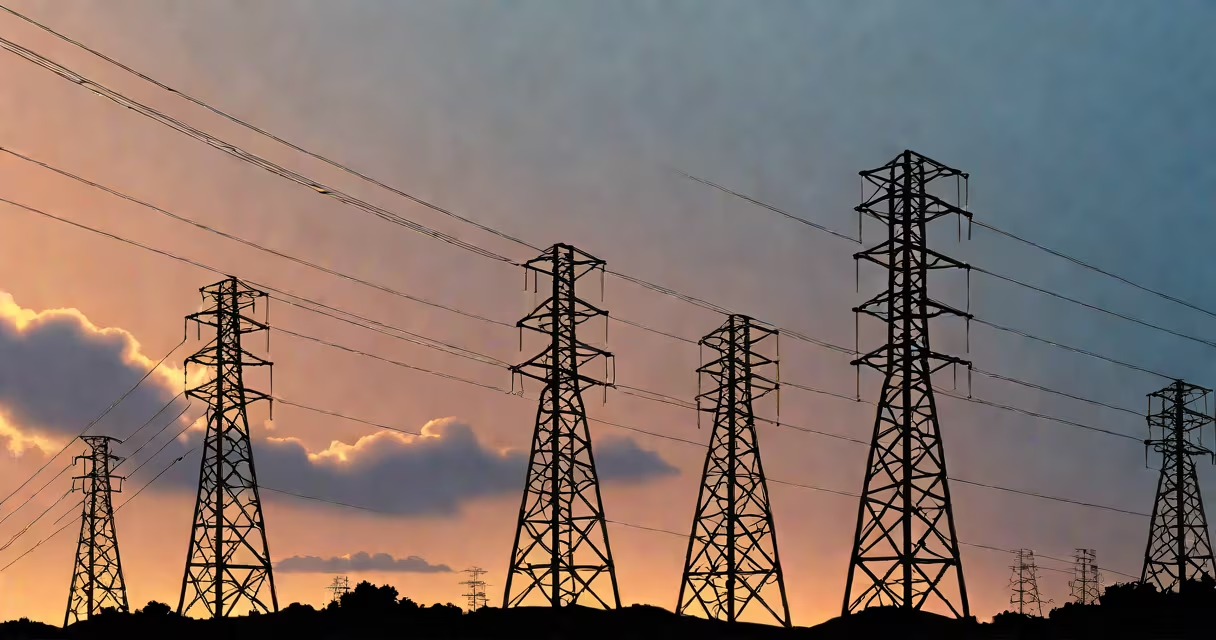
A national grid power outage is a large-scale disruption in the electrical grid that results in widespread loss of power. These outages occur when the electrical infrastructure fails to deliver electricity to homes, businesses, and critical services.
The electrical grid is a complex network of power plants, transmission lines, and distribution systems. A national grid power outage can happen due to various factors, including severe weather, equipment failure, cyberattacks, or human error. For example, Hurricane Sandy in 2012 caused extensive damage to the power grid along the East Coast, leaving millions without electricity for days.
Power outages can be categorized into different types based on their cause and scale:
| Type | Cause | Duration |
|---|---|---|
| Blackout | Complete loss of power in a specific area | Minutes to hours |
| Brownout | Reduced voltage leading to dimmed lights and reduced power | Temporary |
| Rolling Blackout | Planned power cuts to manage high demand | Hours |
| Wide-Area Blackout | Large-scale failure affecting multiple regions | Days to weeks |
Severe weather is one of the most common causes of power outages. High winds, ice storms, and hurricanes can damage power lines and substations. Equipment failure, such as transformer malfunctions or generator breakdowns, can also lead to outages. Cyberattacks targeting the grid's control systems pose a growing threat, as seen in the 2015 and 2016 cyberattacks on Ukraine's power grid.
Power outages disrupt daily life and can have significant economic and social impacts. Homes and businesses lose access to electricity, leading to discomfort, lost productivity, and financial losses. Hospitals, emergency services, and communication networks rely on uninterrupted power, making outages particularly dangerous. The 2003 Northeast Blackout affected 55 million people and cost an estimated $6 billion in economic damages.
After a power outage, utility companies work to restore electricity as quickly as possible. This involves assessing damage, repairing equipment, and rerouting power through alternative routes. Preventive measures include regular maintenance, upgrading infrastructure, and implementing cybersecurity protocols. Smart grids, which use advanced technology to monitor and manage electricity flow, can help prevent and mitigate outages.
Understanding the causes and effects of national grid power outages is important for preparing and responding to these events. By investing in infrastructure and adopting new technologies, we can reduce the frequency and impact of power outages, ensuring a more reliable electrical grid for everyone.