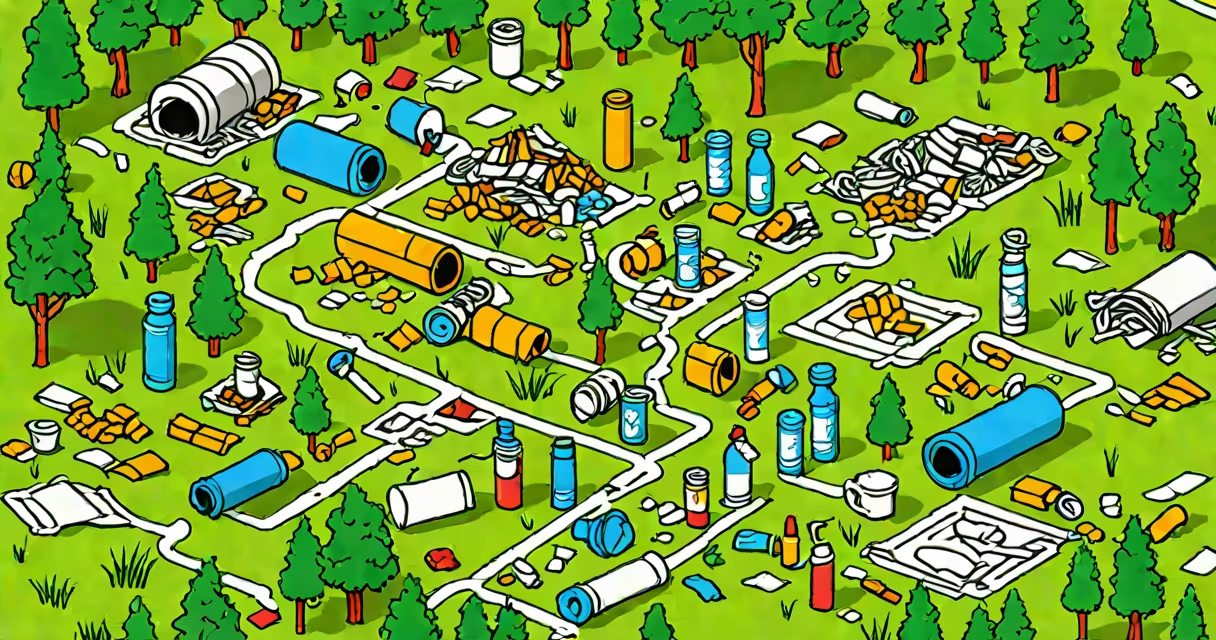
National park pollution refers to environmental degradation caused by human activities within protected areas, including air and water contamination, litter, and habitat disruption.
| Type | Sources | Impact |
|---|---|---|
| Air pollution | Vehicle emissions, wildfires, industrial runoff | Haze, respiratory issues in wildlife |
| Water pollution | Litter, sewage, chemical runoff | Algal blooms, fish kills |
| Litter | Visitors, wind-blown debris | Habitat destruction, animal entanglement |
Many assume national parks are pristine, but they face severe threats. A 2020 study found microplastics in soil samples from all 61 U.S. national parks surveyed.
Yosemite receives over 4 million visitors annually, generating 3,000 tons of waste. The park's mercury levels exceed EPA safety limits due to coal plant emissions 150 miles away.
I've witnessed firsthand how quickly trash accumulates along popular trails, even with strict regulations. A single weekend can leave behind enough litter to fill 50 garbage bags.