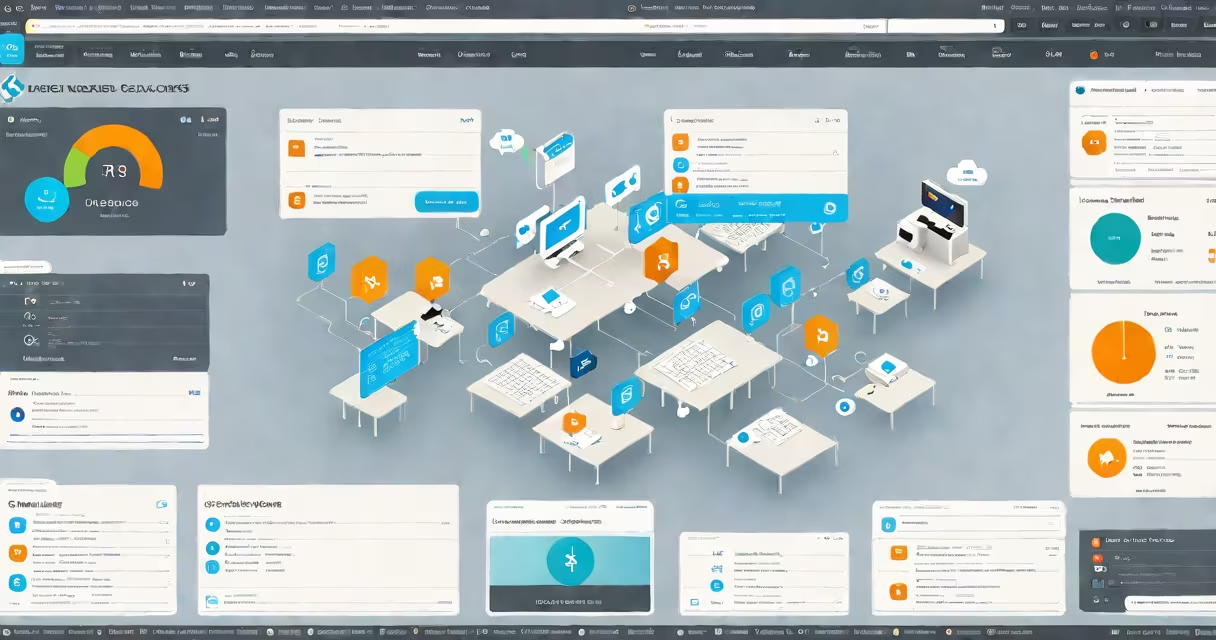
Netskope Cloud Exchange is a security platform that integrates multiple cloud-based security tools into a unified console for centralized management and threat detection.
Netskope Cloud Exchange acts as a hub connecting various security tools through APIs. It collects data from these tools, normalizes it, and presents it in a single dashboard. Security teams can then set policies, detect threats, and respond to incidents across all connected tools from one interface.
The platform consists of three primary components:
Organizations typically use Netskope Cloud Exchange for:
| Use Case | Description |
|---|---|
| Threat Detection | Correlates data from multiple tools to identify sophisticated attacks |
| Compliance Monitoring | Tracks compliance status across all connected security tools |
| Incident Response | Provides workflows for responding to security incidents across environments |
Many assume Netskope Cloud Exchange replaces existing security tools. In reality, it enhances them by providing unified visibility and control. The platform doesn't replace tools but makes them work together more effectively.
For example, a company using Palo Alto for firewall protection and Proofpoint for email security can connect both to Netskope Cloud Exchange. The platform would then correlate data between them to detect sophisticated attacks that might involve both email and network vectors.
When implementing Netskope Cloud Exchange, organizations should:
According to Gartner, organizations using security orchestration platforms like Netskope Cloud Exchange reduce incident response times by up to 60%. This is because security teams can see and act on threats across their entire environment from one place.
I've seen this firsthand while helping a financial services client implement Netskope Cloud Exchange. By connecting their disparate security tools, they reduced alert fatigue by 40% and improved their mean time to resolution by 30%.
For more on how exchange in the cloud works, see our dedicated guide.