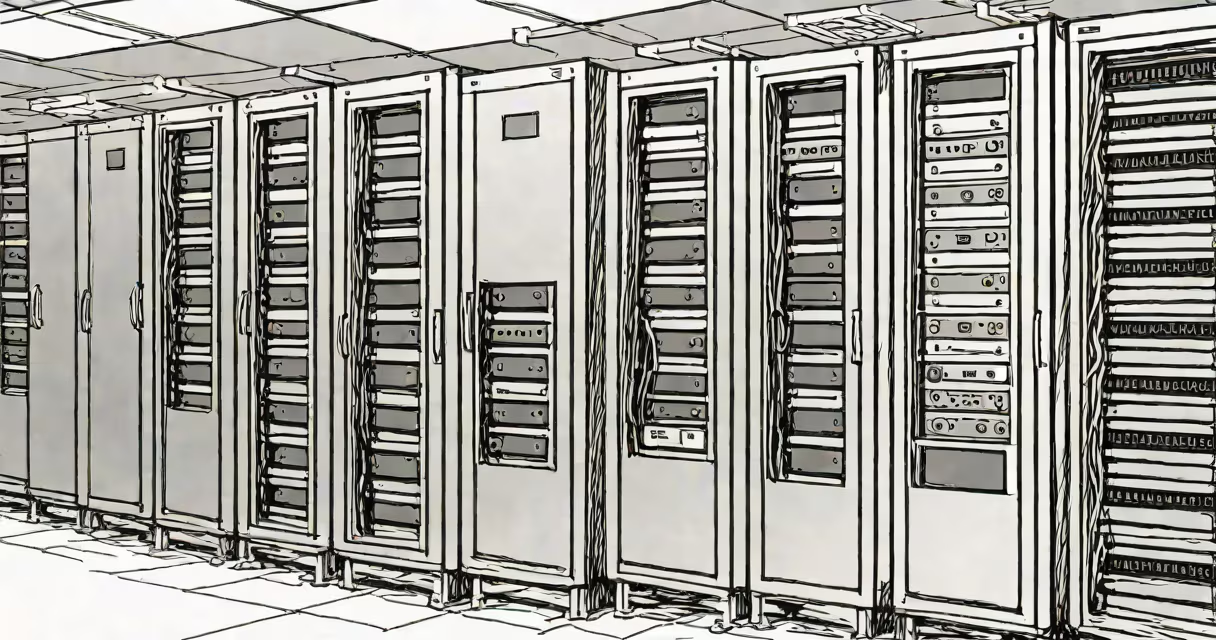
Network access control devices are hardware or software solutions that regulate who or what can connect to a network, preventing unauthorized access. They enforce policies to ensure only approved users and devices gain entry.
These devices operate by authenticating users and devices before granting access. They use methods like 802.1X, MAC address filtering, or certificate-based authentication. Once authenticated, they assign access levels based on predefined policies.
For example, a company might allow employees access to all network resources but restrict contractors to specific departments. A network access control device enforces these rules automatically.
Network access control devices come in several forms:
| Type | Description | Use Case |
|---|---|---|
| Hardware Appliances | Physical devices installed between the network and users/devices | Enterprises needing high throughput and reliability |
| Software Solutions | Applications installed on existing network hardware | Small to medium businesses with limited budgets |
| Cloud-Based NAC | Services hosted in the cloud, managed remotely | Organizations with distributed networks or remote workers |
According to Gartner, hardware appliances dominate enterprise deployments due to their performance and scalability.
Another misconception is that NAC is only for large enterprises. Small businesses also benefit, especially those handling sensitive data or complying with regulations like HIPAA or PCI-DSS.
A hospital deployed network access control devices to secure patient data. The solution authenticated staff badges and restricted access to medical records based on job roles. This prevented unauthorized access while allowing doctors and nurses to access necessary systems.
During a recent audit, the hospital passed compliance checks, demonstrating the effectiveness of network access control in protecting sensitive information.
With the rise of Internet of Things (IoT) devices, network access control has become important. IoT devices often lack solid security features, making them vulnerable to attacks. NAC solutions can isolate these devices, limiting their access to only necessary network segments.
When selecting a network access control device, consider factors like scalability, ease of management, and integration with existing systems. Also, evaluate whether the solution supports your preferred authentication methods and offers granular access control.
For example, a university might need a solution that supports multi-factor authentication for students, faculty, and guests, with different access levels for each group.