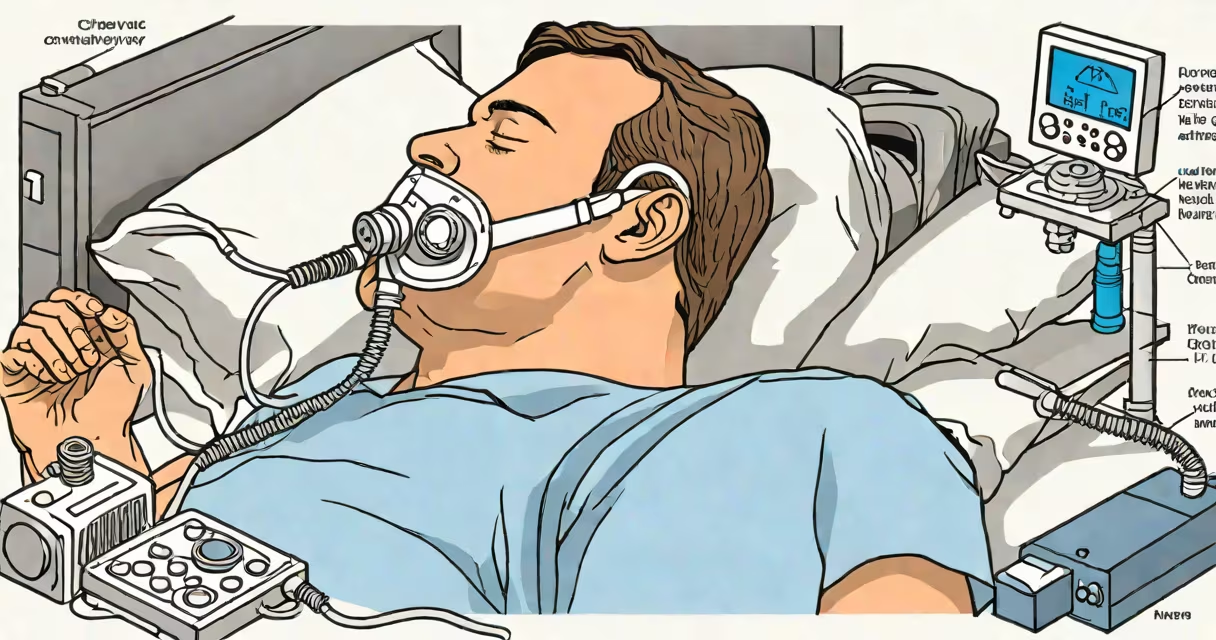
Obstructive sleep apnea treatment includes therapies that restore normal breathing during sleep by addressing airway obstruction. Options range from lifestyle changes to surgical interventions.
Obstructive sleep apnea (OSA) occurs when the muscles supporting the soft palate relax and collapse, blocking the airway. Treatments aim to keep the airway open, either by adjusting lifestyle factors, using mechanical devices, or undergoing surgery. The goal is to prevent pauses in breathing, which can lead to poor sleep quality and health complications.
The most common treatments for obstructive sleep apnea fall into four categories:
Obstructive sleep apnea treatment is prescribed based on the severity of the condition. Mild cases may respond well to lifestyle changes, while moderate to severe cases often require mechanical devices or surgery. The American Academy of Sleep Medicine recommends CPAP as the first-line treatment for moderate to severe OSA.
Untreated OSA can lead to serious health issues, including high blood pressure, heart disease, and daytime fatigue. Effective treatment improves sleep quality, reduces health risks, and enhances well-being.
Many people believe that CPAP is the only effective treatment for OSA. While CPAP is widely used, other options exist, such as oral appliances and lifestyle modifications., some assume that surgery is always necessary, but non-invasive treatments often suffice.
Another misconception is that OSA only affects overweight individuals. While excess weight is a risk factor, OSA can occur in people of any size due to anatomical differences in the airway.
John, a 45-year-old man, was diagnosed with moderate OSA. His doctor recommended a combination of weight loss and using a CPAP machine. John lost 20 pounds and started sleeping on his side. After six months, his symptoms improved, and he no longer needed the CPAP machine during the day.
Obstructive sleep apnea treatment encompasses a range of options tailored to individual needs. From lifestyle adjustments to advanced medical interventions, effective management of OSA can improve sleep quality and health.