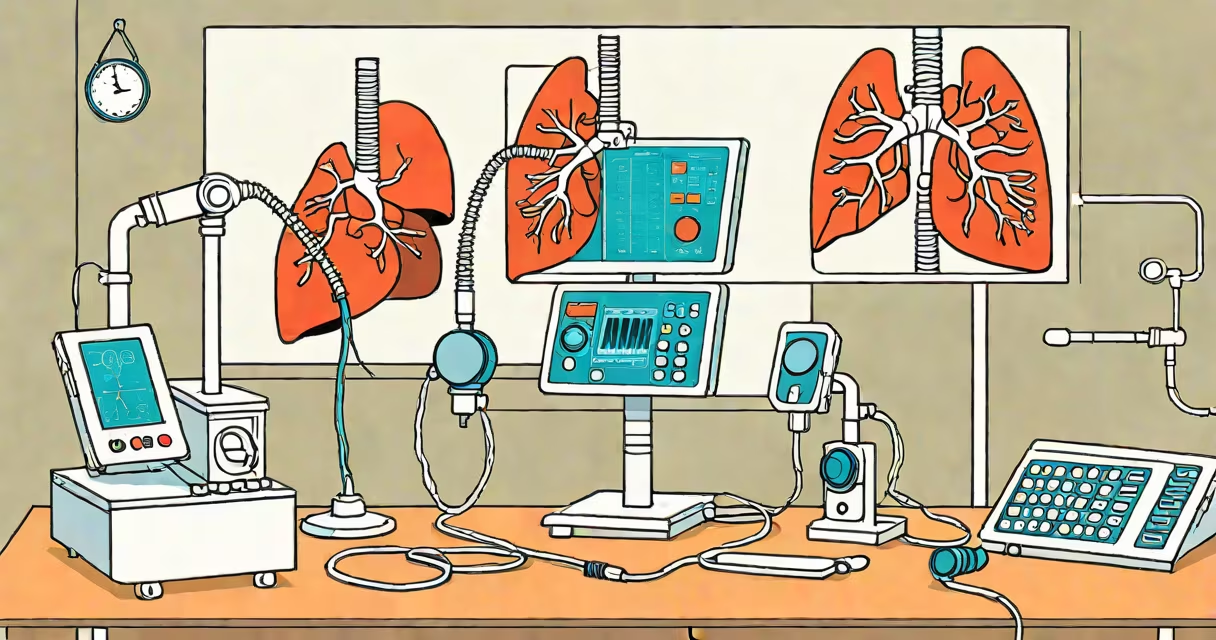
Obstructive lung diseases make it hard to exhale, while restrictive lung diseases make it hard to inhale. These two categories cover nearly all chronic lung conditions.
Obstructive diseases damage the airways, causing them to narrow or lose elasticity. This traps air in the lungs, making exhalation difficult. Restrictive diseases reduce the lungs' ability to expand, limiting how much air can enter. Think of obstructive diseases as blocked pipes and restrictive diseases as stiff walls.
Obstructive lung diseases include:
Restrictive lung diseases include:
Pulmonary function tests measure lung capacity and airflow. Obstructive diseases show reduced expiratory flow, while restrictive diseases show reduced lung volumes. A common test sequence includes:
Doctors may also use chest X-rays, CT scans, or arterial blood gas tests for further diagnosis.
Many people assume all chronic coughing indicates obstructive disease. However, some restrictive diseases like pulmonary fibrosis can also cause chronic coughing as lung tissue scars and stiffens. The key difference is whether the primary difficulty is exhaling (obstructive) or inhaling (restrictive).
Obstructive diseases primarily use bronchodilators to open airways and corticosteroids to reduce inflammation. Restrictive diseases focus on treating underlying causes and may include oxygen therapy, pulmonary rehabilitation, or lung transplantation in severe cases.
Understanding whether a lung disease is obstructive or restrictive helps doctors prescribe appropriate treatments and monitor disease progression effectively.