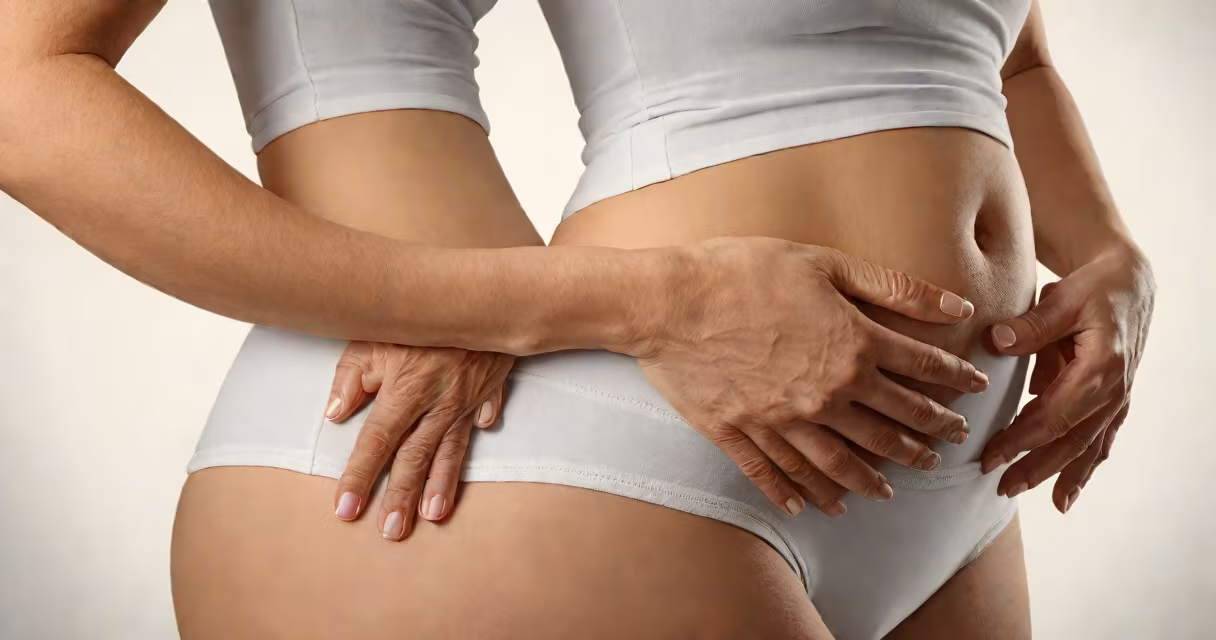
Pain during menstrual cycle, medically termed dysmenorrhea, refers to the throbbing or cramping pain in the lower abdomen that occurs just before or during menstruation. This discomfort ranges, often disrupting daily activities.
Menstrual pain happens due to uterine contractions. The uterus sheds its lining each month, and prostaglandins, hormone-like substances, trigger these contractions. Higher levels of prostaglandins cause stronger contractions and more severe pain.
| Type | Description | Duration |
|---|---|---|
| Primary Dysmenorrhea | Common cramping with onset of menstruation, not linked to underlying conditions. | 1-3 days |
| Secondary Dysmenorrhea | Pain caused by reproductive system disorders like endometriosis or fibroids. | Throughout the period, sometimes longer |
Primary dysmenorrhea typically starts during a person's late teens or early 20s. Secondary dysmenorrhea, however, often begins later in life and may indicate conditions like endometriosis, pelvic inflammatory disease, or uterine fibroids. Stress and lifestyle factors can worsen symptoms.
Severe pain that doesn't improve with standard treatments, pain accompanied by heavy bleeding or fever, or pain that interferes with daily life warrants a visit to a healthcare provider. Persistent pain could signal an underlying condition requiring medical attention.
Understanding the causes and effective management strategies for menstrual pain empowers individuals to take control of their health and seek appropriate care when needed.