Pain when breathing in on the left side typically results from inflammation, injury, or infection affecting muscles, ribs, or organs like the lungs. Most cases resolve with rest and home care, but severe or persistent pain may require medical attention.
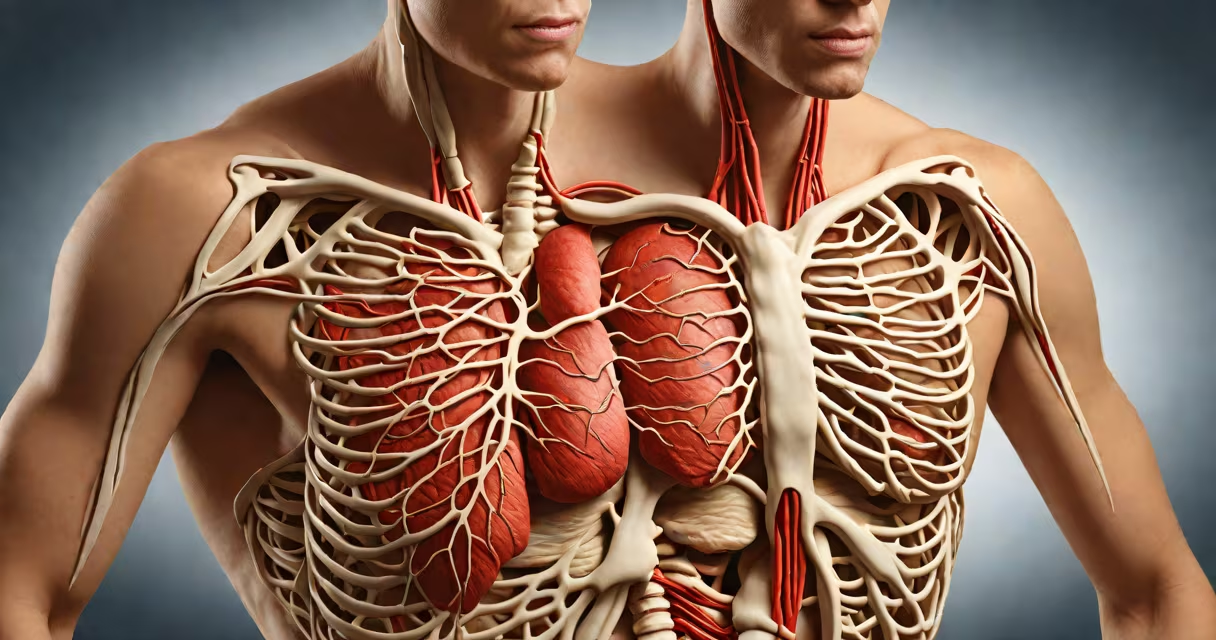
Breathing involves expanding and contracting your rib cage and diaphragm. Pain during inhalation often occurs when these movements irritate inflamed tissues or damaged structures. The left side contains important organs including the heart, left lung, spleen, and part of the diaphragm. Pain can originate from any of these areas or nearby muscles and bones.
| Type | Possible Cause | Common Symptoms |
|---|---|---|
| Muscle Strain | Overuse or injury to intercostal muscles | Sharp pain worsening with movement |
| Pleurisy | Inflammation of lung lining | Sharp pain when breathing, fever |
| Pneumonia | Lung infection | Chest pain, cough, fatigue |
| Costochondritis | Rib cartilage inflammation | Localized tenderness, pain radiating |
Most cases involve muscle strains from sudden movements, heavy lifting, or poor posture. Pleurisy and pneumonia often accompany respiratory infections. Costochondritis frequently follows viral infections or physical strain.
Consult a healthcare provider if pain persists beyond a few days, worsens suddenly, or appears with symptoms like shortness of breath, coughing blood, or dizziness. These may indicate serious conditions requiring immediate attention.
I once experienced sharp left-side pain after moving furniture. Rest and gentle stretching resolved it within days. However, my partner developed similar pain with fever and required antibiotics for pneumonia.
Many assume such pain always signals heart problems. While possible, it more commonly stems from lung issues or muscle strains. Heart-related pain typically feels like pressure or squeezing and may radiate to the arm or jaw.
Preventive measures include proper lifting techniques, regular stretching, and maintaining good posture. Treatments vary by cause but often include rest, ice packs, over-the-counter pain relievers, or prescribed medications for infections.
For persistent or severe cases, doctors may recommend imaging tests like X-rays or MRIs to identify underlying issues. Physical therapy can help with muscle-related causes.
Learn more about pain in your left side and its various causes. Understanding these distinctions helps determine when to seek professional help.