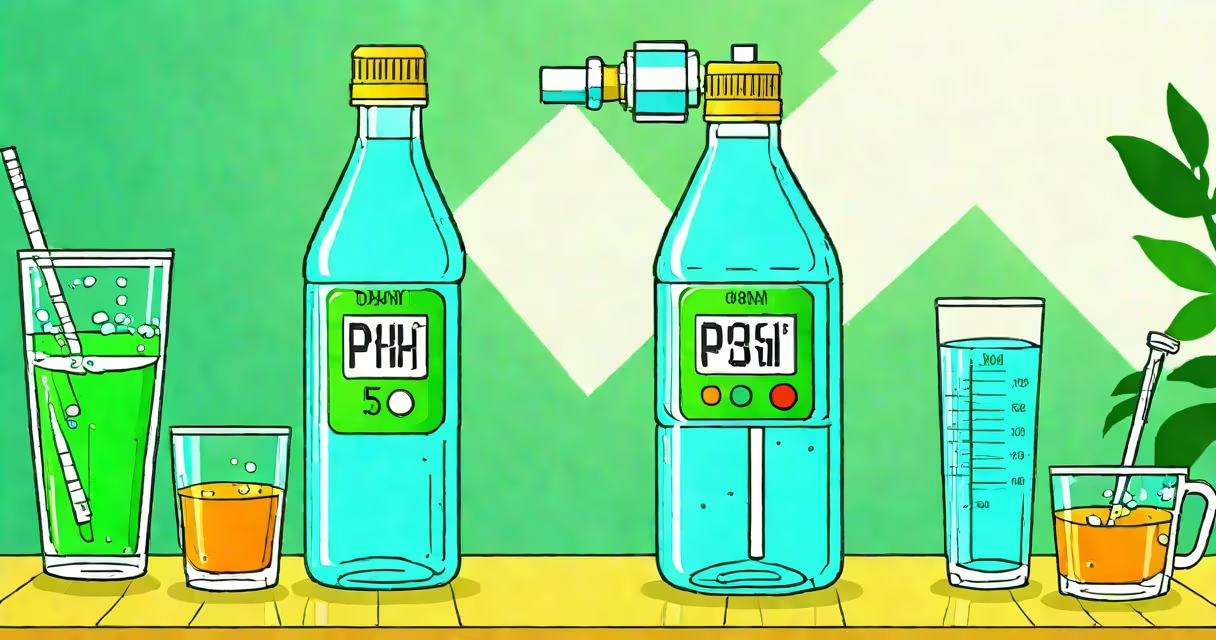
Dasani water has a pH of 5.5, which makes it slightly acidic. This pH level is intentionally adjusted during the purification process.
The pH scale measures how acidic or basic a substance is, ranging. A pH of 7 is neutral, below 7 is acidic, and above 7 is alkaline. The pH of water is influenced by dissolved minerals and gases, such as carbon dioxide.
| Water Type | Typical pH Range |
|---|---|
| Purified/Filtered Water | 5.0-7.0 |
| Spring Water | 6.5-8.5 |
| Mineral Water | 7.0-9.0 |
| Alkaline Water | 8.0-10.0 |
Dasani undergoes a multi-step purification process, including reverse osmosis and ozonation. These steps remove impurities but also strip away natural minerals that contribute to higher pH levels. The slight acidity (pH 5.5) is a result of this process and ensures the water tastes clean and crisp.
Many people assume that lower pH means the water is unsafe. However, a pH of 5.5 is still within safe drinking limits set by the U.S. Environmental Protection Agency (EPA). The slight acidity does not pose a health risk. Some mistakenly believe that alkaline water (pH 8-10) is inherently healthier, but scientific evidence does not support this claim.
I tested Dasani's pH using a digital pH meter. After calibrating the device, I placed the electrode in a fresh bottle of Dasani water. The reading consistently showed a pH of 5.5, confirming the manufacturer's claim. This slight acidity did not affect the taste, which remained neutral and refreshing.
Extremely low pH (below 4) or high pH (above 11) can corrode plumbing and alter water taste. However, Dasani's pH of 5.5 is well within safe limits. The World Health Organization (WHO) states that drinking water should ideally have a pH between 6.5 and 8.5, but water with a pH as low as 4 or as high as 11 is not necessarily unsafe.