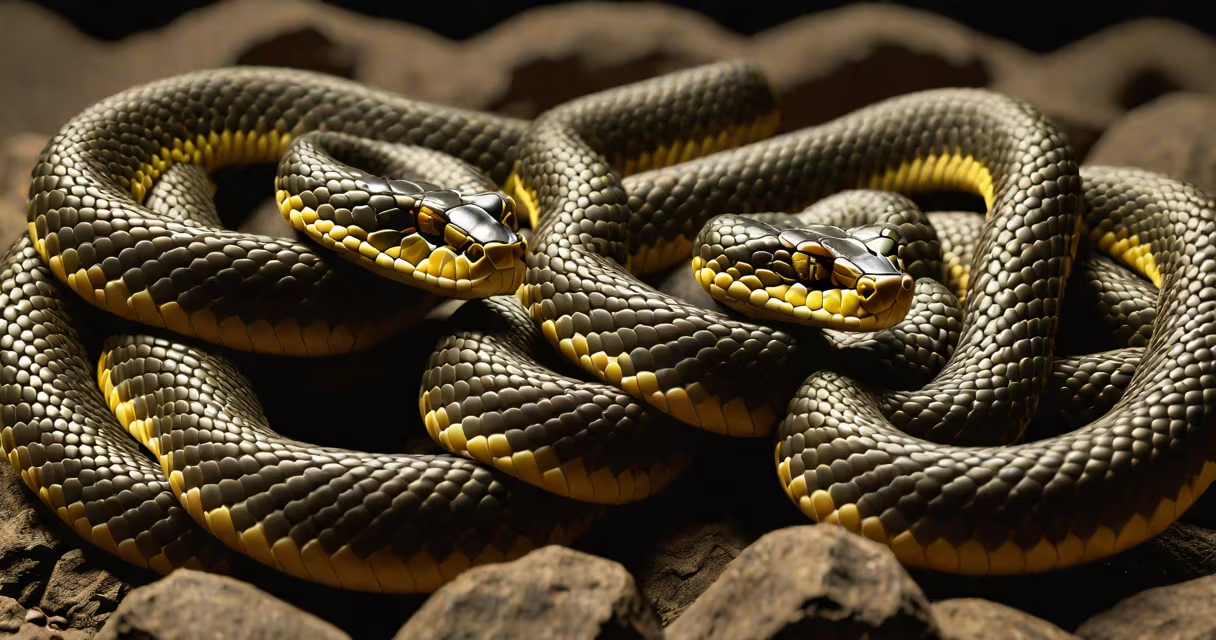
Pictures of snakes capture the striking diversity of these reptiles, from venomous vipers to harmless constrictors. Snake images often reveal key details about their habitats, behaviors, and physical adaptations.
Snake photographs show features like coloration, scale patterns, and body shapes that help them survive. For example, a picture of a coral snake shows its bright bands of red, yellow, and black, which serve as a warning to potential predators. Meanwhile, an image of a green tree python displays its camouflage, blending smoothly with the foliage of its rainforest home.
| Type | Example Species | Key Feature |
|---|---|---|
| Venomous Snakes | King Cobra | Hooded neck, long fangs |
| Constrictors | Python | Useful body, heat-sensing pits |
| Sea Snakes | Yellow-Lipped Sea Snake | Flattened tail, paddle-like scales |
| Blind Snakes | Braminy Blind Snake | Small size, burrowing lifestyle |
Many people assume all snake pictures show dangerous creatures. In reality, only about 20% of snake species are venomous. For instance, a photo of a garter snake, a common non-venomous species, might look similar to a venomous one but lacks the triangular head and slit-like pupils of a viper.
Another mistake is believing all snake images depict large, fearsome reptiles. The smallest snake, the Barbados threadsnake, measures just over 3 inches long. A picture of this tiny species would show delicate features and a worm-like appearance, far from the typical "snake" image.
Photographing snakes requires patience and safety precautions. When I photographed a western diamondback rattlesnake, I kept a safe distance and used a telephoto lens to avoid disturbing it. The resulting image captured the snake's defensive posture, coiled body, and raised rattle.
Professional herpetologists use snake pictures for research, tracking changes in populations and behaviors. For example, images of timber rattlesnakes in different regions help scientists study genetic variations and migration patterns.
For accurate snake pictures, consult sources like the National Geographic or scientific databases such as IUCN Red List. These platforms provide verified images with detailed descriptions, ensuring educational value.