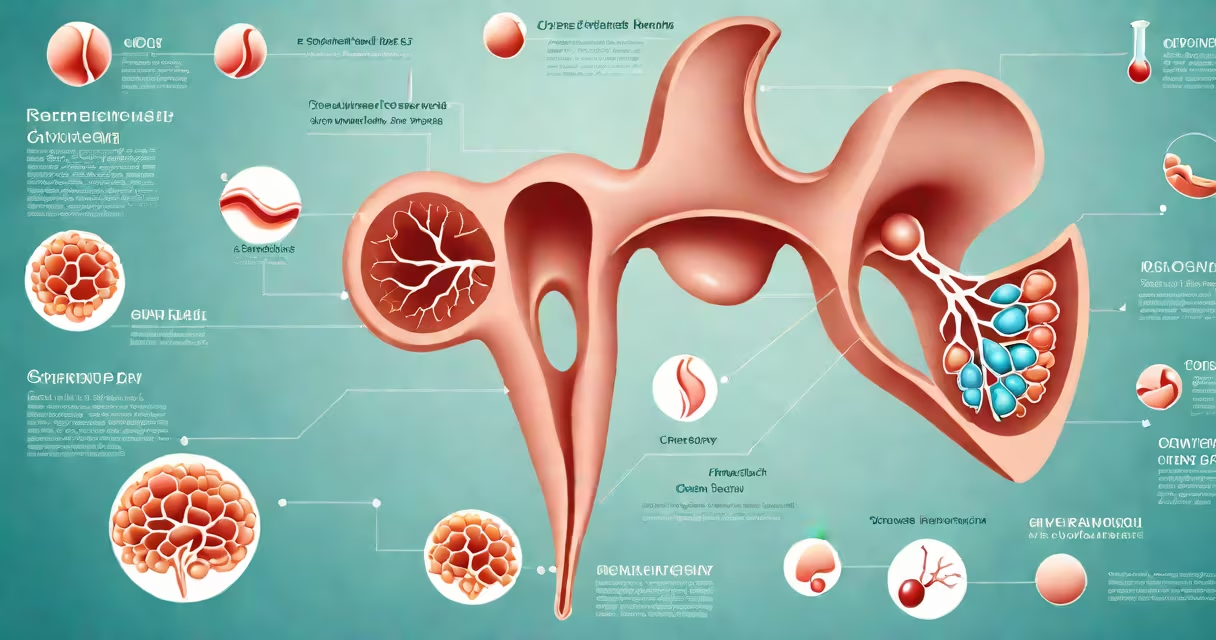
Premenstrual ovary pain refers to discomfort in the lower abdomen or pelvic area that occurs before menstruation, typically during ovulation or the luteal phase. This pain often results from normal hormonal fluctuations and ovarian activity.
During the menstrual cycle, ovaries release eggs (ovulation) around day 14. The ruptured follicle forms a corpus luteum, which produces progesterone. This process can cause mild pain called mittelschmerz, or ovulation pain. If pain persists premenstrually, it may involve uterine contractions or inflammation from prostaglandins.
The two primary types of premenstrual ovary pain are:
Common causes include:
Consult a healthcare provider if pain is severe, persistent, or accompanied by heavy bleeding, fever, or vomiting. A 2020 study in Obstetrics & Gynecology found that 10% of women with chronic pelvic pain had undiagnosed endometriosis. Diagnostic tests may include ultrasound, MRI, or laparoscopy.
I once experienced sharp premenstrual ovary pain that lasted three days. After ruling out cysts via ultrasound, my doctor recommended NSAIDs and heat therapy, which helped.
Many confuse premenstrual ovary pain with:
| Misconception | Reality |
|---|---|
| Pain always indicates a problem | Mild pain is often normal |
| Pain only occurs during menstruation | Pain can happen premenstrually (ovulation or luteal phase) |
| Birth control eliminates all pain | Some hormonal birth controls reduce pain, but others may cause breakthrough bleeding or spotting. |
Effective strategies include:
A 2021 Cochrane review found that NSAIDs reduced menstrual pain by 50% in most users.
If you experience chest pain alongside premenstrual ovary pain, consult a doctor to rule out cardiac issues.
Seek immediate medical attention for: