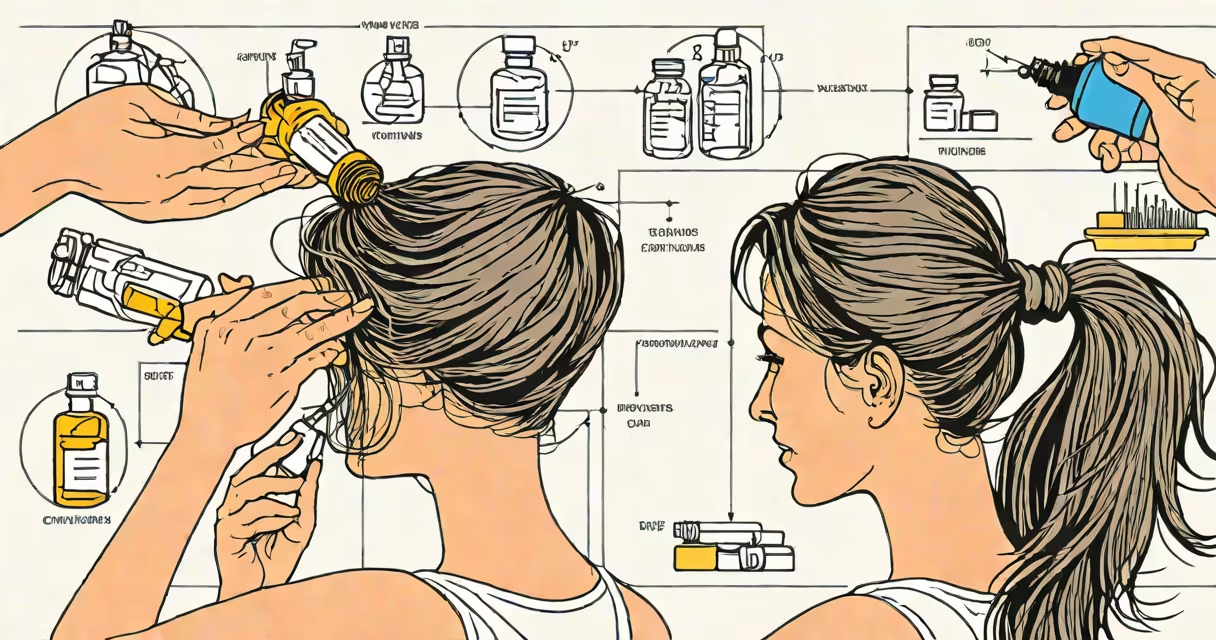
Promoting hair growth in women involves addressing nutritional deficiencies, hormonal imbalances, and scalp health. The average human scalp has about 100,000 hairs, and losing up to 100 hairs daily is normal. However, excessive hair loss or thinning may require intervention.
Hair grows in cycles: anagen (growth phase, lasting 2-7 years), catagen (transition phase, lasting 2-3 weeks), and telogen (resting phase, lasting 2-4 months). At any given time, about 90% of scalp hairs are in the anagen phase. Disruptions in these cycles can lead to hair loss or thinning.
| Type | Cause | Treatment |
|---|---|---|
| Androgenetic alopecia | Genetics, hormones | Minoxidil, anti-androgens |
| Alopecia areata | Autoimmune disorder | Corticosteroids, immunotherapy |
| Telogen effluvium | Stress, illness, childbirth | Address underlying cause, nutritional support |
Diet is important for hair health. Iron, zinc, vitamin D, and protein are essential for hair growth. A study published in the Journal of Cosmetic Dermatology found that iron deficiency is a common cause of hair loss in women. Foods rich in these nutrients include leafy greens, nuts, eggs, and fatty fish.
Scalp massages can increase blood flow to the hair follicles. Using oils like rosemary or peppermint may also promote growth. According to a study in the Journal of Medical Hypothesis & Ideas, rosemary oil was as effective as minoxidil in promoting hair growth.
Topical minoxidil is FDA-approved for hair growth and is available over-the-counter. It works by prolonging the anagen phase. Oral contraceptives or anti-androgens like spironolactone may help women with hormone-related hair loss.
Low-level laser therapy (LLLT) uses red light to stimulate hair growth. A study in the Journal of Cosmetic and Laser Therapy found that LLLT increased hair density in women with androgenetic alopecia.
Brushing hair 100 times daily does not promote growth. This myth likely stems from the idea that brushing stimulates the scalp, but excessive brushing can damage hair. Trimming hair regularly also does not make it grow faster, but it can prevent split ends.
Last year, I noticed increased hair shedding. After consulting a dermatologist, I started taking a biotin supplement and using rosemary oil. Within three months, my hair appeared thicker and healthier. While results vary, consistent care and targeted treatments can make a difference.