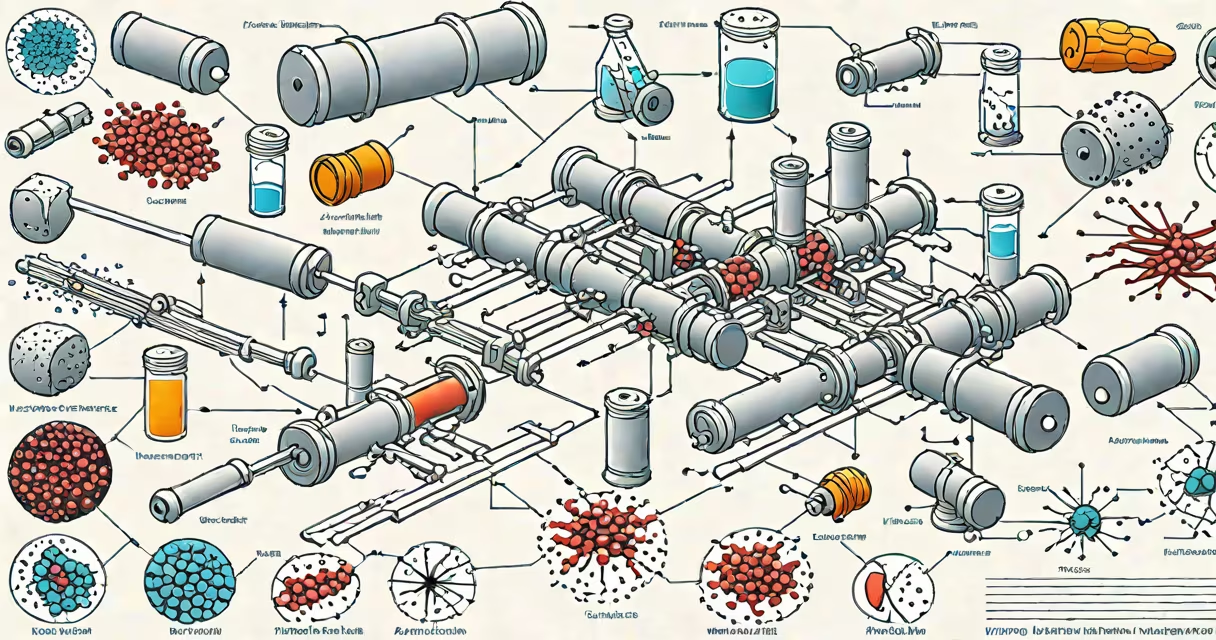
Proteus species are Gram-negative bacteria known for their ability to resist antibiotics due to their swarming behavior and biofilm formation.
Proteus species, including Proteus mirabilis and Proteus vulgaris, are notorious for their antibiotic resistance. Their swarming behavior allows them to move rapidly across surfaces, forming biofilms that protect them from antibiotics. This makes infections difficult to treat.
The two most common Proteus species are:
Both species are opportunistic pathogens, meaning they exploit weakened immune systems or compromised barriers, such as those found in hospitals or long-term care facilities.
Proteus infections are commonly found in healthcare settings. For example, Proteus mirabilis is a leading cause of catheter-associated UTIs. The bacteria's ability to form biofilms on medical devices, like catheters, makes them particularly challenging to eradicate.
According to the Centers for Disease Control and Prevention (CDC), Proteus species are among the top causes of healthcare-associated infections. Their resistance to multiple antibiotics further complicates treatment.
Many people assume that antibiotic resistance in Proteus species is solely due to overuse of antibiotics. While this is a contributing factor, the primary reason is the bacteria's natural ability to form protective biofilms. These biofilms act as a physical barrier, preventing antibiotics from reaching the bacterial cells.
For instance, a study published in the journal Antimicrobial Agents and Chemotherapy found that Proteus biofilms can be up to 1,000 times more resistant to antibiotics than planktonic (free-floating) bacteria.
Treating Proteus infections requires a multi-faceted approach. Physicians often use combination therapy, which involves administering multiple antibiotics simultaneously to target different aspects of the bacteria's defense mechanisms.
For example, a patient with a Proteus UTI might be treated with a combination of a beta-lactam antibiotic and an aminoglycoside. This approach aims to disrupt the biofilm and kill the bacteria more effectively.
Preventive measures such as proper hygiene and regular cleaning of medical devices can help reduce the risk of Proteus infections. The CDC recommends strict infection control practices in healthcare settings to minimize the spread of these resilient bacteria.
To learn more about Proteus in the urine, see here.