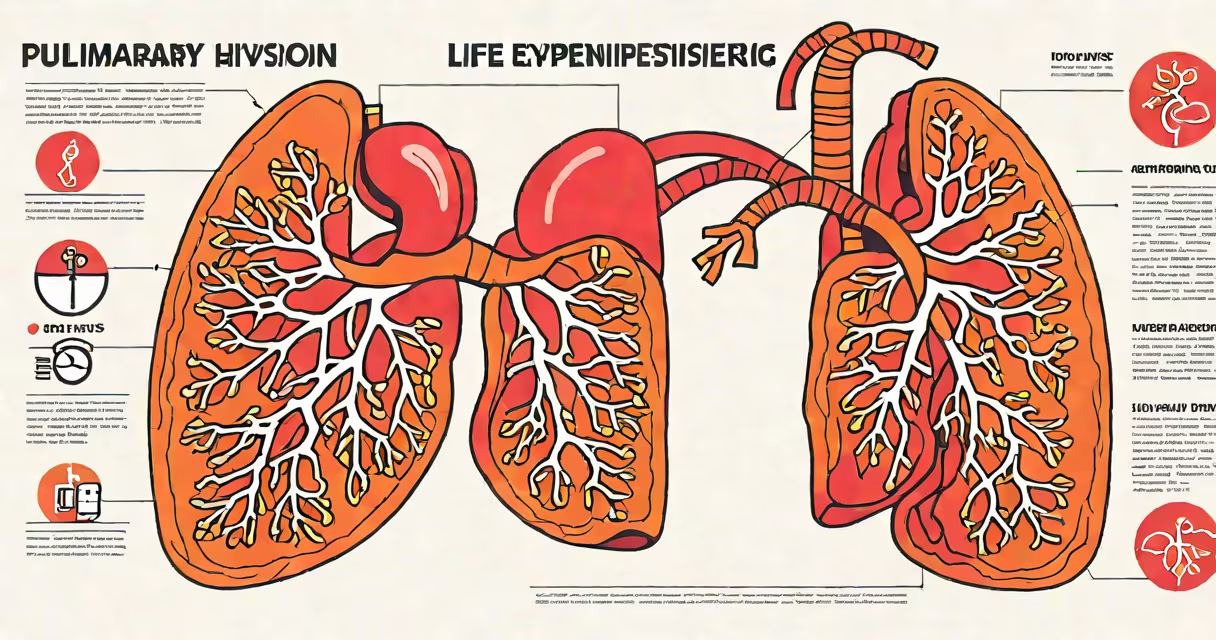
Pulmonary hypertension (PH) life expectancy ranges years after diagnosis, depending on the type and treatment response. Early intervention improves survival rates.
PH increases blood pressure in lung arteries, straining the heart. Untreated, it leads to heart failure. Survival varies by PH group and severity. The most severe form, Group 1 PH, reduces life expectancy to 5-7 years without treatment.
| Type | Cause | Life Expectancy |
|---|---|---|
| Group 1 (PAH) | Idiopathic or genetic | 5-7 years untreated, 10+ years with treatment |
| Group 2 | Left heart disease (e.g., heart failure) | Varies with underlying condition |
| Group 3 | Lung diseases (e.g., COPD) | Similar to primary lung disease |
| Group 4 | Chronic blood clots | 5-7 years untreated, improved with surgery |
Treatment improves survival. Medications like endothelin receptor antagonists extend life expectancy. Lung transplants offer long-term relief for severe cases. Lifestyle changes, such as exercise and a low-sodium diet, support heart health.
Complications like right heart failure worsen outcomes. Regular monitoring and early intervention are critical.
Many assume PH is always fatal within a few years. However, Group 2 PH, often linked to left heart disease, may have a longer life expectancy if the underlying condition is managed effectively. For example, a patient with well-controlled heart failure may live longer than expected.
I spoke with a PH patient who emphasized the importance of adherence to medication and regular check-ups. They noted that while PH is a serious condition, proper management improves quality of life and extends survival.
Support groups and specialized clinics provide resources for patients. Access to clinical trials offers modern treatments.