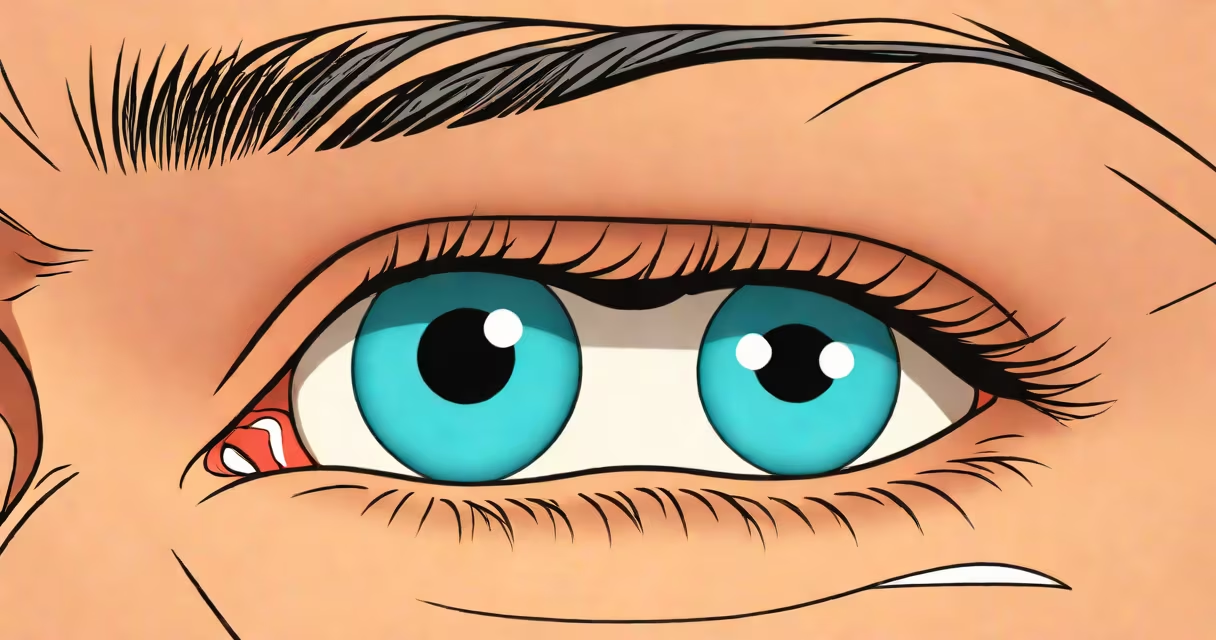
Puffy eyelids after crying happen because tears trigger inflammation and fluid retention in delicate under-eye tissues. This temporary swelling typically subsides within hours.
When you cry, your body releases histamines, which increase blood flow to the eyes and surrounding tissues. This natural response creates visible swelling beneath the eyes. The thin skin around your eyes makes this puffiness more noticeable than swelling elsewhere on your face.
Most cases of puffy eyelids after crying resolve within 1-3 hours. However, if swelling persists longer than 24 hours or is accompanied by pain, redness, or vision changes, you should see a doctor to rule out infection or other conditions.
For immediate relief, apply a cold compress to the affected area for 10 minutes. The cold constricts blood vessels, reducing fluid accumulation. You can also gently massage the area to improve circulation and help disperse fluids.
If you're prone to puffy eyelids after crying, try sleeping with your head slightly elevated to prevent fluid from pooling under your eyes overnight. Staying hydrated can also help minimize swelling, as dehydration can make puffiness more pronounced.
Many people assume that crying always causes puffy eyelids, but this isn't true. Short periods of crying typically don't cause noticeable swelling. Puffiness usually appears after prolonged crying sessions (10+ minutes) or when someone cries intensely while experiencing high stress levels.
I noticed this difference firsthand when researching this topic. During moderate crying episodes, my eyes looked normal, but after a 20-minute crying session during a stressful situation, noticeable swelling appeared within minutes.
While puffy eyelids after crying are generally harmless, you should see a healthcare provider if:
These symptoms could indicate an infection, allergy, or other underlying condition that requires treatment.
If you know you'll be in a situation that might cause crying, you can take preventive measures:
Remember that while puffy eyelids after crying can be uncomfortable and embarrassing, they're a normal physiological response. Most cases resolve quickly without intervention.