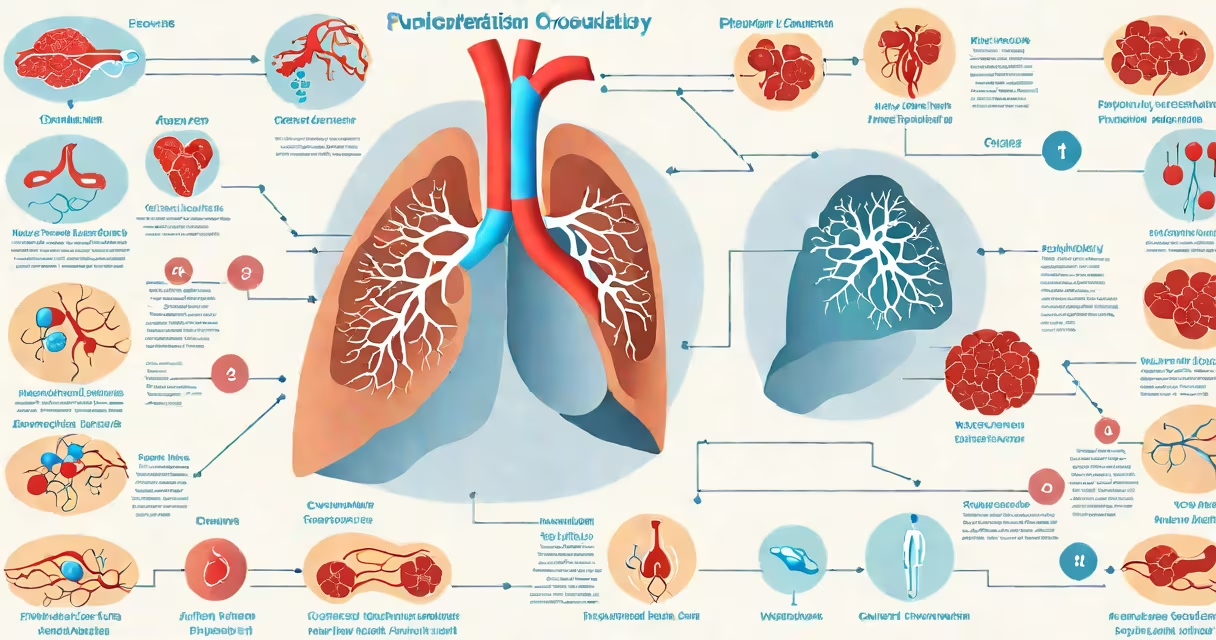
Pulmonary circulation moves blood between the heart and lungs, while systemic circulation carries blood from the heart to the rest of the body. These two closed loops work together to oxygenate and deliver blood efficiently.
The human circulatory system consists of two separate but connected circuits: pulmonary circulation and systemic circulation. While both are essential for life, they serve different purposes and have distinct structures.
Pulmonary circulation is the shorter of the two loops, connecting the right side of the heart to the lungs and back. Deoxygenated blood leaves the right ventricle through the pulmonary artery, travels to the lungs where it receives oxygen, then returns to the left atrium via the pulmonary veins.
This process is important because it's where blood gets its oxygen supply. The lungs remove carbon dioxide and add oxygen to the blood. On average, this entire process takes about seven seconds.
Systemic circulation is the longer loop, starting from the left ventricle, which pumps oxygen-rich blood through the aorta into the arteries. These arteries branch out, delivering oxygen and nutrients to tissues throughout the body. Blood then returns to the heart via veins, entering the right atrium to begin the cycle anew.
This circuit supplies oxygen and nutrients to all body tissues and removes carbon dioxide and other wastes. The entire systemic circulation process takes about 20-30 seconds.
The main differences between pulmonary and systemic circulation lie in their purpose, length, and pressure. Here's a comparison:
| Feature | Pulmonary Circulation | Systemic Circulation |
|---|---|---|
| Purpose | Oxygenates blood | Delivers oxygen and nutrients to body tissues |
| Length | Shorter (about 7 seconds) | Longer (about 20-30 seconds) |
| Pressure | Lower pressure | Higher pressure |
| Vessels | Pulmonary arteries and veins | Arteries, arterioles, capillaries, venules, and veins |
Many people confuse systematic and systemic when discussing circulation. Systematic implies a methodical approach, while systemic refers to something affecting the entire body. In medical terms, systemic circulation affects the whole body, while pulmonary circulation is specific to the heart-lung connection.
Another misconception is that veins always carry deoxygenated blood and arteries always carry oxygenated blood. This is only true for pulmonary circulation. In systemic circulation, veins return deoxygenated blood to the heart, while arteries carry oxygenated blood away from the heart.
When you exercise, your muscles demand more oxygen. The systemic circulation responds by increasing blood flow to working muscles. At the same time, pulmonary circulation works harder to oxygenate the increased blood volume. This coordinated response is why your breathing and heart rate increase during physical activity.
Understanding these two circulatory pathways helps explain why certain medical conditions affect specific parts of the circulatory system. For instance, pulmonary hypertension affects the pulmonary arteries, while systemic hypertension affects the entire systemic circulation.