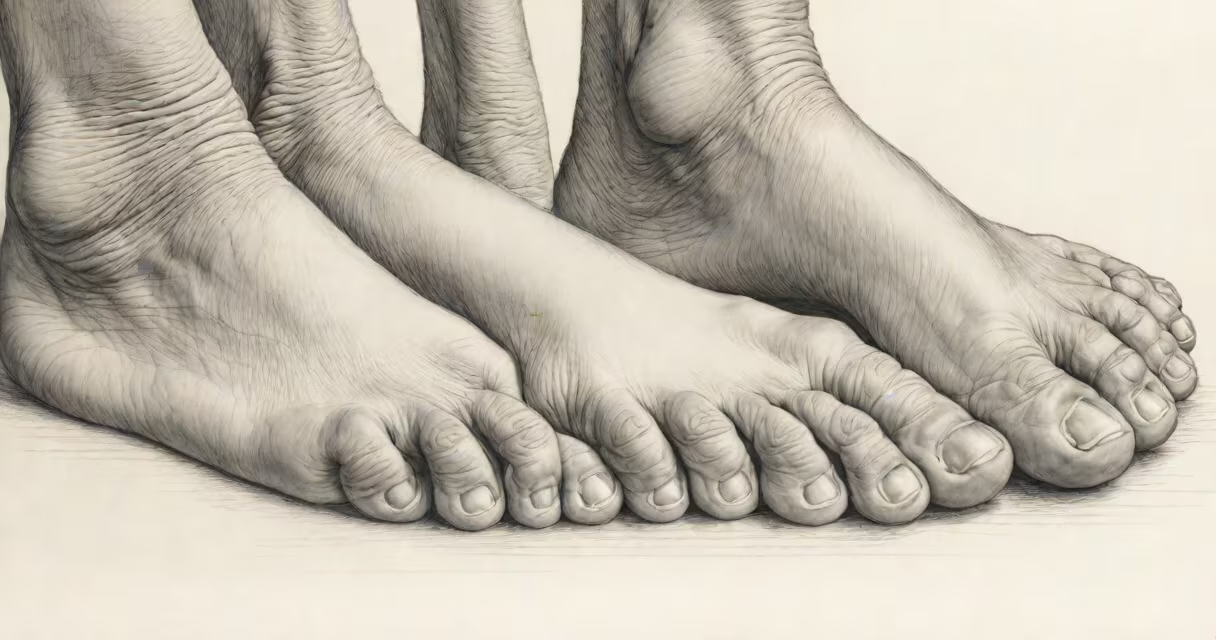
A puffy feet symptom occurs when excess fluid accumulates in the soft tissues, causing noticeable swelling. This condition, known as edema, often results from prolonged standing, injury, or underlying health issues.
Swelling happens when small blood vessels leak fluid into nearby tissues. The body usually reabsorbs this fluid, but certain factors disrupt this process. For example, gravity pulls fluid downward during long periods of standing, leading to puffy feet.
| Type | Common Causes | Duration |
|---|---|---|
| Mild | Prolonged standing, heat, minor injury | Hours to days |
| Moderate | Pregnancy, premenstrual syndrome, early-stage heart or kidney disease | Days to weeks |
| Severe | Deep vein thrombosis, lymphedema, advanced heart failure | Weeks or longer |
Puffy feet often result from temporary factors like standing too long or hot weather. However, persistent swelling may indicate conditions such as heart failure, kidney disease, or venous insufficiency. Pregnant women frequently experience swollen feet due to increased blood volume and pressure.
Consult a healthcare provider if swelling persists for more than a few days, worsens suddenly, or occurs with other symptoms like chest pain or shortness of breath. These could signal serious conditions requiring medical attention.
I once noticed puffy feet after a long flight. Elevating my legs and drinking water helped reduce the swelling within hours. However, if the swelling had persisted or worsened, I would have sought medical advice.
For mild cases, elevating the feet, wearing compression socks, and staying hydrated can help. Over-the-counter pain relievers may alleviate discomfort. Severe or persistent swelling often requires medical treatment, including diuretics or addressing underlying conditions.
According to the National Institute of Diabetes and Digestive and Kidney Diseases, about 10% of people globally experience chronic swelling due to lymphedema. Proper management can prevent complications.