Ramadan 2027 in Morocco will likely begin on April 1 and end on April 30, based on the Islamic calendar's lunar cycle. This holy month follows the Hijri calendar, which is 10-12 days shorter than the Gregorian calendar, shifting Ramadan's start date annually.
The Islamic calendar relies on moon sightings, making Ramadan's start date vary by country. Morocco typically follows the moon sighting in Saudi Arabia, though local observations sometimes differ. The moon's 29.5-day cycle creates a 354-day year, causing Ramadan to move backward through the seasons over time.
| Observance Type | Description | Example |
|---|---|---|
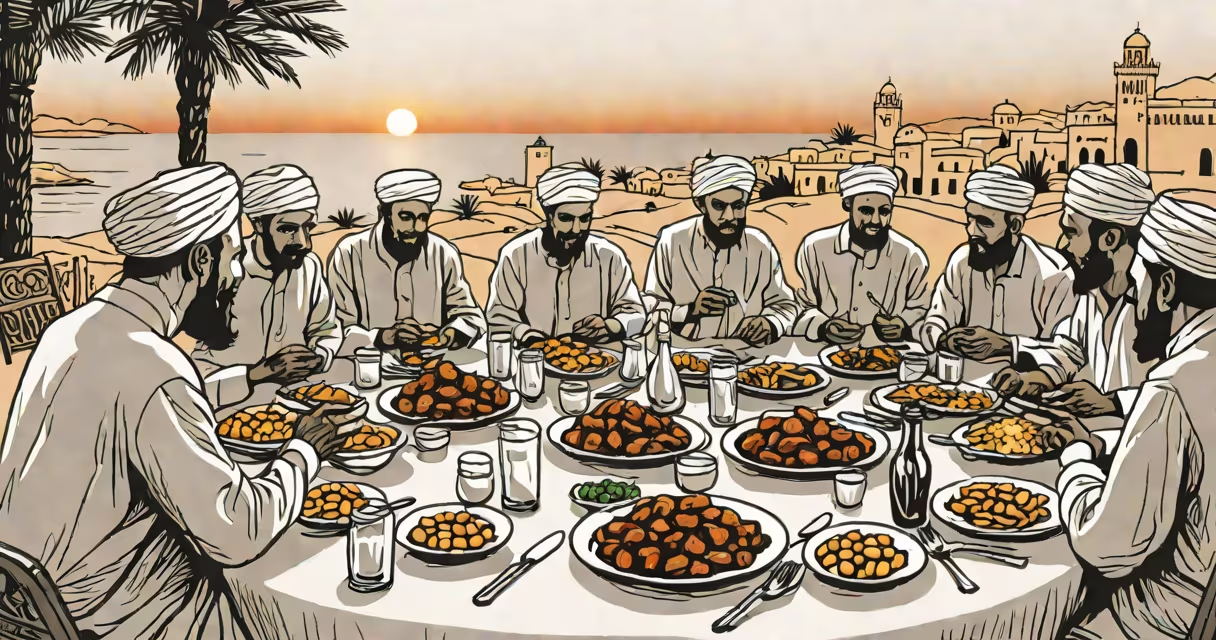
| Fasting (Sawm) | Abstaining from food, drink, and other restrictions | Moroccans wake before dawn for suhoor (pre-fast meal) and break fast with dates at sunset |
| Taraweeh Prayers | Nightly prayers performed in mosques after Isha prayer | Many Moroccans attend Taraweeh prayers nightly during Ramadan |
| Zakat al-Fitr | Charitable donation given before Eid al-Fitr to help the poor | Moroccans often give money, grain, or dates as Zakat al-Fitr |
Many assume Ramadan is purely about fasting, but it also emphasizes spiritual reflection, community, and charity. Another misconception is that all Muslims follow identical fasting rules. In reality, exceptions exist for travel, illness, and other hardships. Pregnant women, children, and the elderly may adjust fasting practices based on health needs.
For example, a Moroccan traveler might postpone fasting until returning home, while someone with diabetes could skip fasting with a doctor's approval. These adjustments align with Islamic teachings prioritizing health and well-being over rigid adherence to fasting.
Ramadan holds deep cultural significance in Morocco, shaping daily life and social interactions. Families gather for iftar (the evening meal breaking the fast) and suhoor, strengthening bonds. Mosques host communal meals, and businesses adjust hours to accommodate fasting employees. The month culminates in Eid al-Fitr, a joyous celebration with feasts, gifts, and new clothes.
During my visit to Morocco in 2023, I observed how Ramadan transformed daily routines. Restaurants closed during daylight hours, and streets became quieter. However, the evening came alive with families sharing meals and children receiving treats. This blend of spirituality and community underscores Ramadan's importance in Moroccan culture.
As Ramadan 2027 approaches, Moroccans will prepare by stocking up on traditional foods like harira (lentil soup), chebakia (sesame cookies), and mint tea. Businesses will adjust operating hours, and schools may modify schedules. The government will issue official announcements about moon sightings and public sector adjustments.
For those planning to visit Morocco during Ramadan 2027, it's essential to respect local customs. Non-Muslims are not required to fast but should avoid eating, drinking, or smoking in public during daylight hours. Understanding these norms fosters cultural sensitivity and enhances the travel experience.