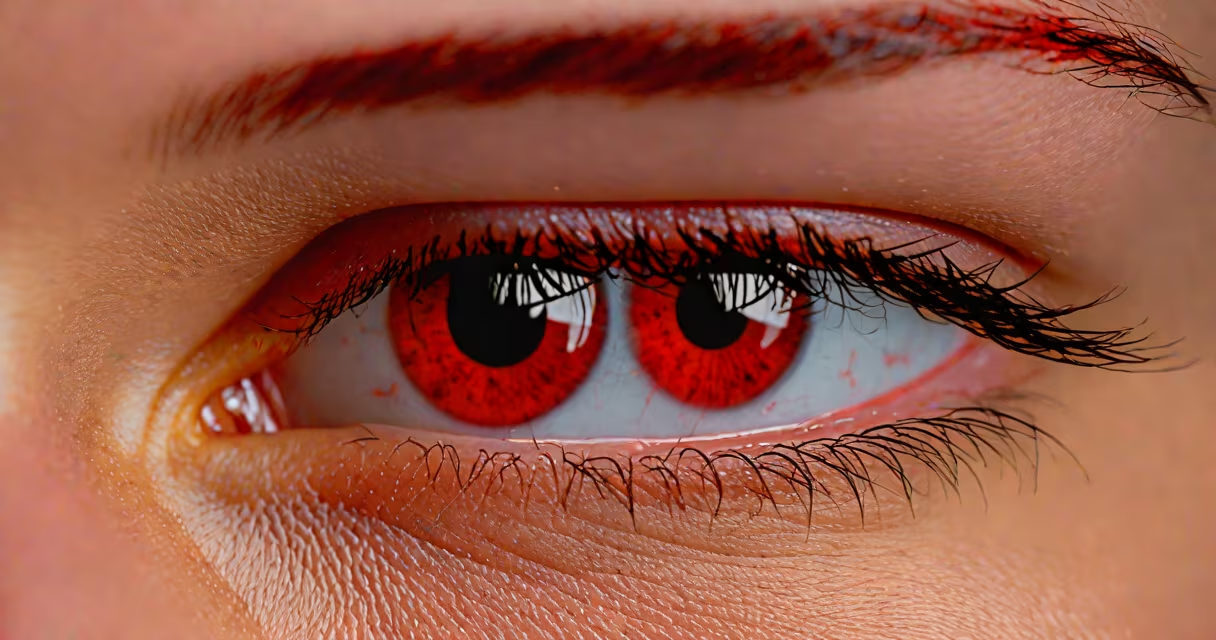
A red eyelid and under eye typically indicate inflammation, irritation, or infection in the eye area. These symptoms often appear together due to shared causes like allergies, infections, or environmental irritants.
The skin around the eyes is thin and sensitive, making it prone to visible changes when irritated. The eyelid itself contains many tiny blood vessels that can dilate and become visible when inflamed, creating a red appearance. The under-eye area may also turn red due to similar irritation or from conditions affecting the skin or tissues beneath the eyes.
Several conditions can cause both red eyelids and under-eye redness:
Many people assume red eyelids and under-eye redness are always caused by tiredness or lack of sleep. While fatigue can contribute, it rarely causes significant redness alone. More often, these symptoms result from specific irritants or infections that require targeted treatment.
Another mistake is assuming redness will resolve on its own without proper care. Persistent redness may indicate a chronic condition like blepharitis, which requires ongoing management to prevent flare-ups.
Consult a healthcare provider if redness persists for more than a few days, worsens, or is accompanied by pain, swelling, or vision changes. A doctor can diagnose the underlying cause and recommend appropriate treatment, which may include medications, lifestyle changes, or specialized eye care.
For example, if you notice persistent redness along with a sticky discharge, you might have bacterial conjunctivitis. This condition often requires antibiotic eye drops to clear the infection. Without treatment, it can spread to the other eye or lead to complications.
If you experience recurring redness, consider keeping a symptom diary to track potential triggers. This can help identify patterns, such as flare-ups during allergy season or after using certain skincare products.