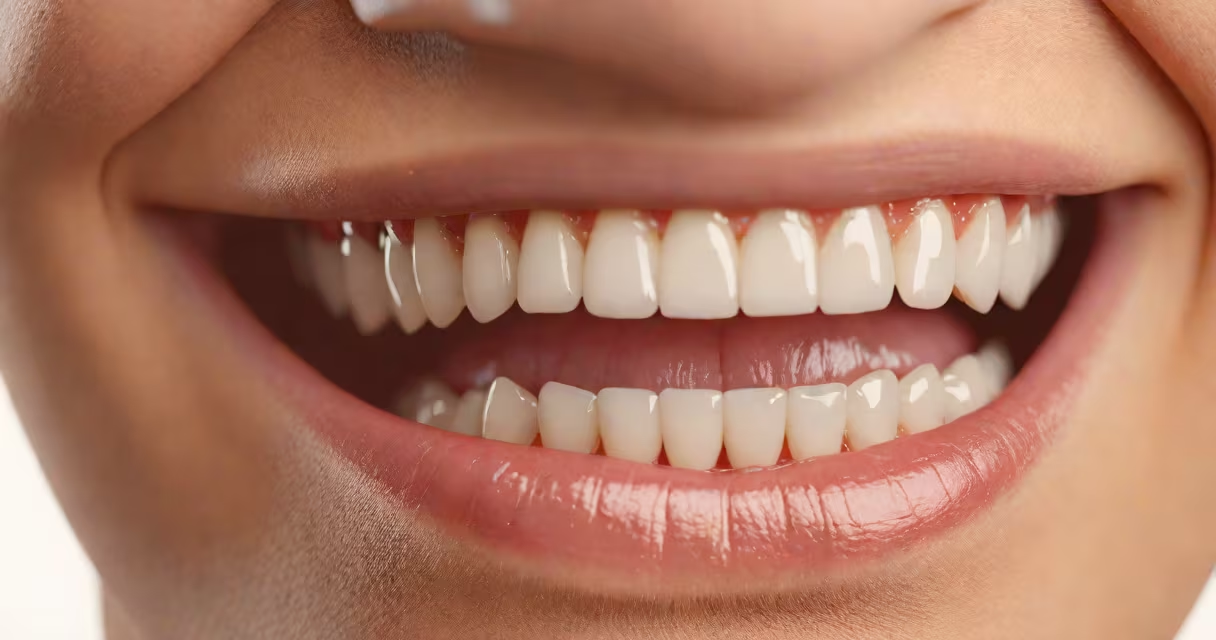
Receding gums and sensitive teeth are common dental issues that often occur together. Gum recession exposes the roots of your teeth, leading to sensitivity and increased risk of decay.
The protective enamel on your teeth doesn't extend to the roots. When gums recede, these exposed roots become vulnerable to hot, cold, sweet, or acidic foods and drinks. The tubes in the dentin (the layer under enamel) open to the surface, allowing stimuli to reach the nerve, causing pain.
Gum recession happens due to:
Dentists treat gum recession based on severity. Mild cases may only need improved oral hygiene. More advanced cases require:
For sensitive teeth, dentists recommend desensitizing toothpaste containing potassium nitrate or stannous fluoride. Fluoride treatments strengthen enamel and reduce sensitivity.
Prevent gum recession and sensitivity with these habits:
I noticed my gums receding after years of using a hard-bristled toothbrush. Switching to a soft brush and improving my technique stopped further damage.
If you notice your gums pulling away from your teeth or increased sensitivity, see a dentist. Early treatment prevents further damage and reduces sensitivity.