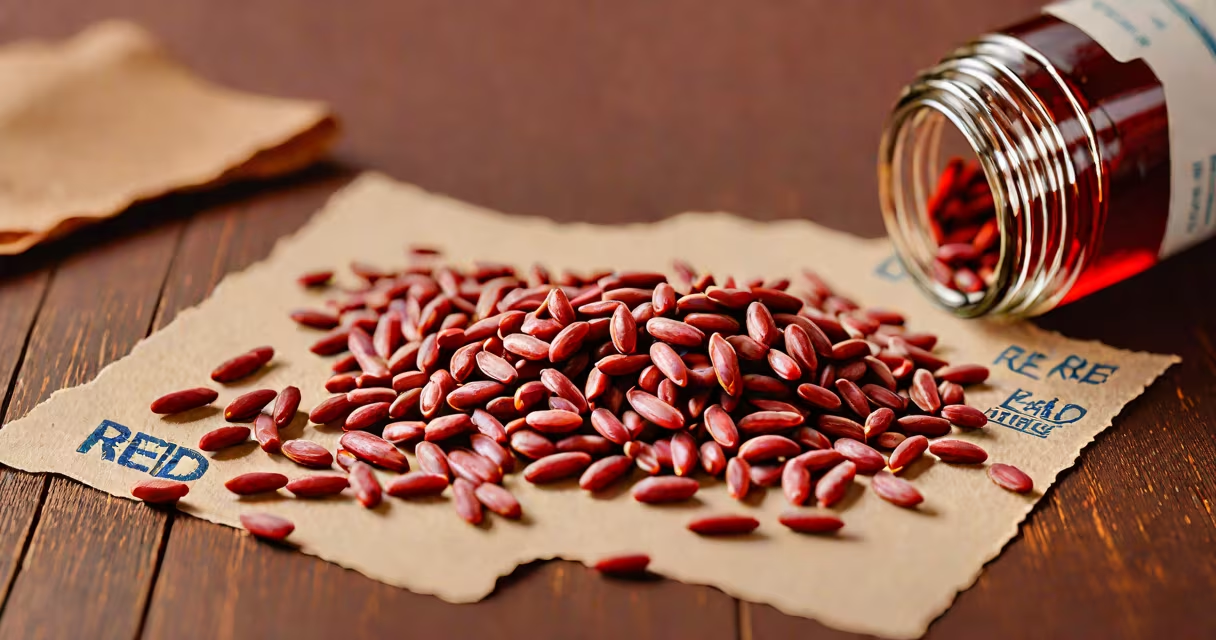
Red rice yeast is a traditional Chinese fermented product that contains compounds shown to lower LDL cholesterol levels. It works by inhibiting an enzyme involved in cholesterol production, similar to statin drugs but with a milder effect.
Red rice yeast contains monacolin K, the same active compound found in the prescription statin drug lovastatin. This compound inhibits HMG-CoA reductase, an enzyme important for cholesterol synthesis in the liver. By blocking this enzyme, red rice yeast reduces the production of LDL ("bad") cholesterol, helping to lower cholesterol levels.
Research published in the Journal of Clinical Lipidology found that red rice yeast supplementation reduced LDL cholesterol by about 20-30% in clinical trials. However, the exact effects can vary based on the individual and the specific product used.
| Type | Form | Typical Dosage |
|---|---|---|
| Standardized extracts | Capsules or tablets | 10-20 mg monacolin K per day |
| Non-standardized | Powder or liquid | 1.5-2.4 grams per day |
Red rice yeast is primarily used to support heart health by lowering LDL cholesterol levels. It may also help reduce triglycerides and increase HDL ("good") cholesterol. Some studies suggest it could improve blood vessel function and reduce inflammation, though more research is needed to confirm these benefits.
A study in the American Journal of Chinese Medicine found that red rice yeast supplementation improved endothelial function in individuals with mild hypercholesterolemia. Endothelial function refers to the health of the inner lining of blood vessels, which is important for cardiovascular health.
While generally well-tolerated, red rice yeast can cause side effects such as digestive issues, headaches, and muscle pain. It may also interact with other medications, particularly statins and blood thinners. Individuals with liver disease or those who are pregnant or breastfeeding should avoid red rice yeast unless approved by a healthcare provider.
It's important to choose high-quality red rice yeast products. Look for standardized extracts that specify the monacolin K content. Avoid products that contain harmful contaminants like citrinin, a toxic byproduct of fermentation.
I once tried a red rice yeast supplement for a month while monitoring my cholesterol levels. I noticed a slight improvement in my LDL levels, but I also experienced mild digestive discomfort. This experience reinforced the importance of consulting with a healthcare provider before starting any new supplement regimen.
Red rice yeast and statins both work by inhibiting HMG-CoA reductase, but they differ in potency and regulation. Statins are synthetic drugs prescribed by doctors, while red rice yeast is a natural supplement available over the counter. Statins are more potent and have a higher risk of side effects, whereas red rice yeast offers a milder alternative with fewer side effects for some individuals.
According to the National Center for Biotechnology Information, red rice yeast may be a suitable option for individuals who cannot tolerate statins or prefer a natural approach to lowering cholesterol.
Red rice yeast is a traditional supplement that can help lower LDL cholesterol levels by inhibiting an enzyme involved in cholesterol production. It offers a natural alternative to statins, with potential benefits for heart health. However, it's essential to choose high-quality products and consult with a healthcare provider before starting any new supplement regimen.