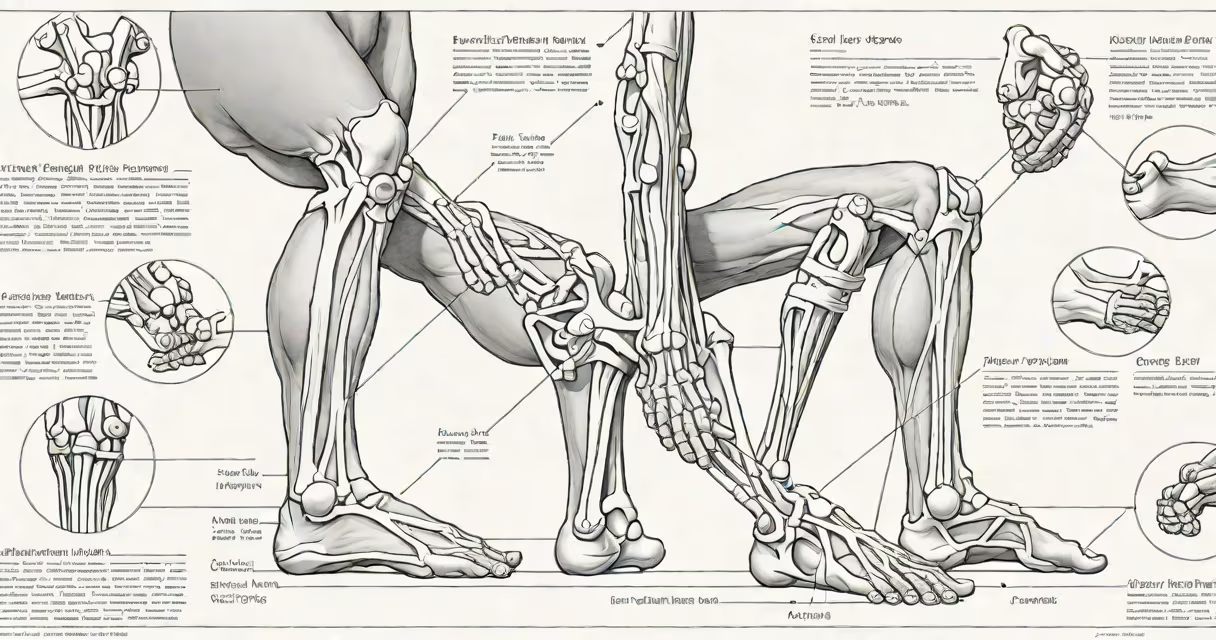
Knee surgery becomes necessary when conservative treatments fail to relieve pain, restore function, or correct structural damage. Common procedures address torn ligaments, cartilage defects, arthritis, or fractures. Recovery varies by procedure but typically ranges.
Surgeons perform over 600,000 knee replacement surgeries annually in the U.S., according to the American Academy of Orthopaedic Surgeons. Other frequent procedures include ACL reconstruction, meniscus repair, and patellar realignment.
| Procedure | Common Indications | Typical Recovery Time |
|---|---|---|
| ACL Reconstruction | Complete ACL tear with instability | 6-12 months |
| Meniscus Repair | Torn meniscus with locking or catching | 3-6 months |
| Total Knee Replacement | Severe osteoarthritis | 6 months-1 year |
| Patellofemoral Realignment | Recurrent patellar dislocation | 3-6 months |
Surgeons recommend knee surgery when symptoms persist despite nonsurgical treatments like physical therapy, medications, or injections. For example, a complete ACL tear often requires reconstruction because the ligament cannot heal on its own. Similarly, advanced osteoarthritis may necessitate total knee replacement when joint space narrows.
In my experience working with orthopedic patients, I've seen that surgery often becomes the best option when pain interferes with daily activities or when structural damage prevents normal movement. A torn meniscus causing frequent knee locking typically requires surgical intervention to remove or repair the damaged portion.
Many people believe knee surgery always requires extensive rehabilitation or that it's only for older adults. In reality, procedures like ACL reconstruction help young athletes return to sports, while partial knee replacements offer alternatives to total replacements for some patients. Recovery times vary widely based on the specific procedure and individual healing capacity.
Another misconception is that knee surgery always involves large incisions. Many procedures now use arthroscopic techniques with small incisions and specialized cameras, reducing recovery time and scarring. For instance, a meniscus repair through arthroscopy might require only two small incisions about 1 centimeter long each.
Before considering surgery, doctors typically recommend nonsurgical treatments. Physical therapy helps strengthen muscles supporting the knee joint. Corticosteroid injections can reduce inflammation and pain. Platelet-rich plasma (PRP) therapy uses the patient's own blood components to promote healing in damaged tissues.
For some conditions like osteoarthritis, lifestyle modifications including weight loss, low-impact exercise, and assistive devices can delay or even eliminate the need for surgery. A study published in the journal Arthritis & Rheumatology found that losing 10% of body weight reduced knee pain by 50% in obese individuals with osteoarthritis.
When these treatments fail, surgery often provides the most effective solution. The decision depends on the specific condition, its severity, and how it affects the patient's quality of life. Understanding the reasons for knee surgery helps patients make informed decisions about their treatment options.