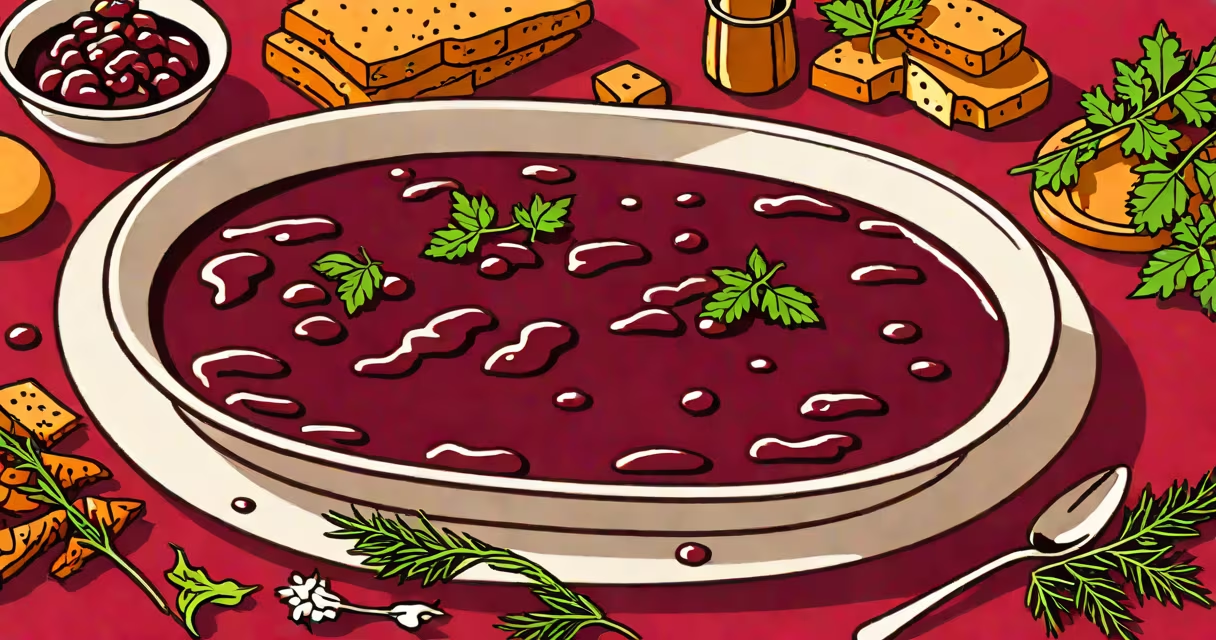
Red wine gravy is a rich, savory sauce made by reducing red wine with beef drippings and aromatics. It pairs perfectly with roasted meats, especially beef.
Red wine gravy transforms acidic red wine into a deep, umami-rich sauce through reduction. The alcohol cooks off, leaving concentrated flavors that meld with beef fat and herbs. The process caramelizes sugars in the wine, adding complexity.
Traditional red wine gravy contains:
Variations include:
| Type | Key Difference |
|---|---|
| Classic | Made with pan drippings and reduced wine |
| Vegetarian | Uses vegetable stock and omits beef drippings |
| Creamy | Adds heavy cream for richness |
Red wine gravy enhances roasted meats, particularly prime rib and beef tenderloin. Its acidity cuts through fatty cuts, balancing richness. It's common in French and Italian cuisine, often served with:
Many assume red wine gravy is difficult to make, but it requires only basic cooking skills. Another myth is that any red wine works equally well-dry, tannic wines like Cabernet Sauvignon perform best. Using sweet wines can result in an unbalanced, overly sweet gravy.
To make red wine gravy, start by collecting 2 cups of beef drippings from a roasted prime rib. Pour them into a saucepan and whisk in 1 cup of dry red wine. Add 1 minced shallot, 2 minced garlic cloves, 1 teaspoon fresh thyme leaves, and 1 bay leaf. Simmer until reduced by half, about 10 minutes. Strain and serve hot.
When making red wine gravy for a holiday dinner, I discovered that reducing the sauce too quickly can leave a bitter aftertaste. Patience is key-low heat ensures even reduction and deeper flavor.