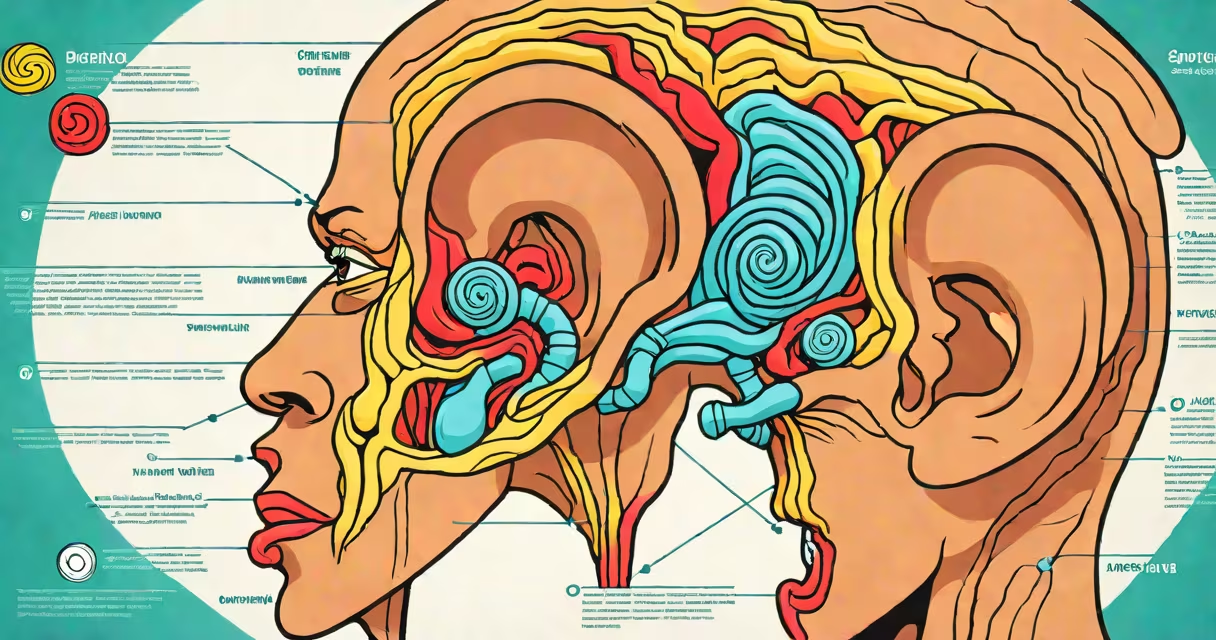
Vertigo occurs when the brain receives conflicting signals about balance, usually from the inner ear, eyes, or sensory nerves. These mismatches create false sensations of spinning or tilting, often triggered by specific conditions.
The vestibular system in your inner ear tracks head movements and sends signals to the brain. When this system malfunctions-due to infection, injury, or other issues-the brain misinterprets movement, causing vertigo. Symptoms range from mild dizziness to intense spinning sensations lasting seconds to hours.
Vertigo falls into two primary categories:
| Type | Cause | Duration |
|---|---|---|
| Peripheral | Inner ear issues (e.g., BPPV, labyrinthitis) | Seconds to hours |
| Central | Brainstem or cerebellum problems (e.g., stroke, tumors) | Minutes to days |
Most cases stem from peripheral causes, which are less severe but more common.
Vertigo often results from:
Less common causes include Meniere's disease, multiple sclerosis, and certain medications.
Many assume vertigo is always linked to motion sickness or anxiety. While stress can worsen symptoms, vertigo itself stems from physical imbalances in the vestibular system. A 2021 study found that 50% of vertigo cases result from undiagnosed inner ear disorders, not psychological factors.
Treatment depends on the cause. For BPPV, doctors perform the Epley maneuver-a series of head movements to reposition displaced crystals. Vestibular rehabilitation therapy helps retrain the brain to compensate for balance issues. Medications like antihistamines or anti-nausea drugs may alleviate symptoms. In rare cases, surgery corrects severe inner ear damage.
I once helped a friend with vertigo by guiding them through the Epley maneuver at home. After three attempts, their symptoms improved within a week.
Consult a doctor if vertigo recurs frequently, lasts longer than an hour, or includes hearing loss, numbness, or slurred speech. These could indicate serious conditions like strokes or tumors. Early diagnosis improves outcomes.