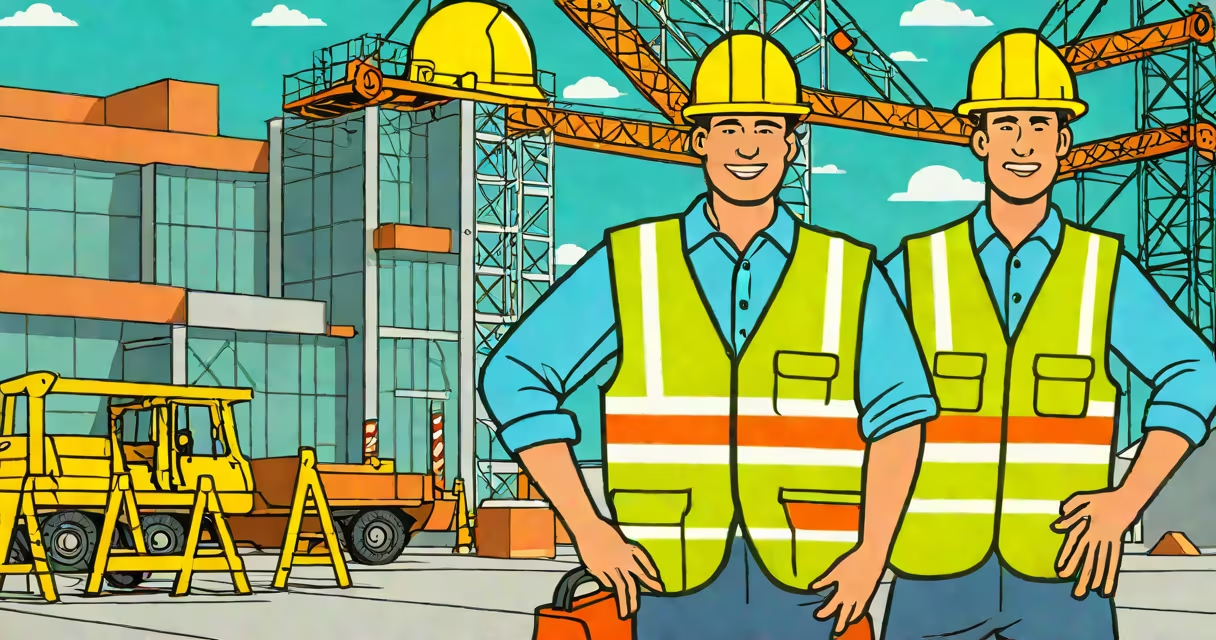
A safety rules definition describes written or verbal guidelines designed to minimize risks, prevent accidents, and ensure compliance with laws like the Occupational Safety and Health Act (OSHA). These rules apply to workplaces, schools, and public spaces.
Safety rules create consistent procedures for handling hazards. For example, construction sites require hard hats to protect workers from falling objects. Rules often include:
Rules are enforced through signage, supervisor oversight, and disciplinary actions for violations.
| Type | Example | Common Location |
|---|---|---|
| General Safety | Keep walkways clear | Offices, schools |
| Equipment-Specific | Lockout/tagout procedures for machinery | Factories, warehouses |
| Environmental | Wear sunscreen outdoors | Construction sites, outdoor events |
People often mix up safety rules and safety procedures. Rules are broad guidelines (e.g., "Always wear gloves when handling chemicals"), while procedures outline step-by-step actions (e.g., "Step 1: Put on gloves, Step 2: Open container"). Both are essential but serve different purposes.
In my experience volunteering at a community event, organizers enforced strict safety rules. Crowd control barriers prevented overcrowding, and designated paths ensured safe movement. First aid stations were placed at intervals, and staff received CPR training. These measures reduced risks.
The OSHA Small Business Handbook provides detailed safety rule templates for businesses. The National Institute for Occupational Safety and Health (NIOSH) offers industry-specific guidelines.
Safety rules aren't just bureaucratic requirements-they save lives. By following them, organizations protect people and avoid costly accidents.