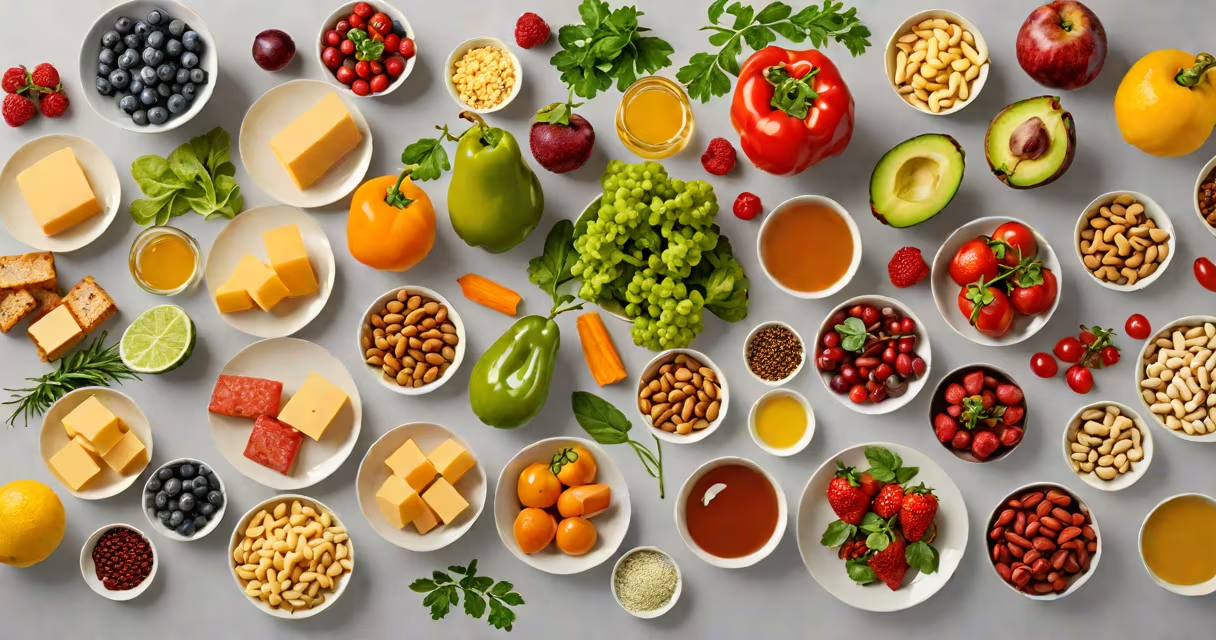
SIBO-friendly foods are low-FODMAP options that help manage small intestinal bacterial overgrowth symptoms, particularly for those with irritable bowel syndrome (IBS). These foods avoid fermentable carbohydrates that trigger bloating, gas, and discomfort.
Small intestinal bacterial overgrowth (SIBO) occurs when excessive bacteria in the small intestine ferment undigested food, producing gas and causing symptoms like bloating, diarrhea, and abdominal pain. A low-FODMAP diet restricts fermentable carbs that feed these bacteria, reducing symptoms.
The low-FODMAP diet categorizes foods into three groups: safe, moderate, and high-FODMAP. Safe foods include:
Moderate-FODMAP foods may be tolerated in small portions, while high-FODMAP foods should be avoided entirely.
SIBO-friendly foods are primarily used by individuals diagnosed with SIBO or IBS. A study published in the journal Gastroenterology found that 84% of IBS patients had SIBO, highlighting the importance of dietary management. These foods help reduce symptoms and improve quality of life.
Many assume that all fiber is bad for SIBO, but soluble fiber (found in oats and chia seeds) can actually support gut health. Insoluble fiber (like wheat bran) is harder to digest and may worsen symptoms. Another myth is that dairy is always off-limits, but lactose-free dairy products are often well-tolerated.
For breakfast, a SIBO-friendly meal might include scrambled eggs cooked in olive oil, served with a side of strawberries and a small portion of gluten-free toast. For lunch, grilled chicken with spinach and carrots, dressed with avocado oil. Dinner could feature baked salmon with zucchini and a side of blueberries. Snacks might include almonds or lactose-free yogurt.
When I first tried a low-FODMAP diet, I was surprised by how many foods I could still enjoy. By focusing on safe options and gradually reintroducing others, I noticed a significant reduction in bloating and discomfort.