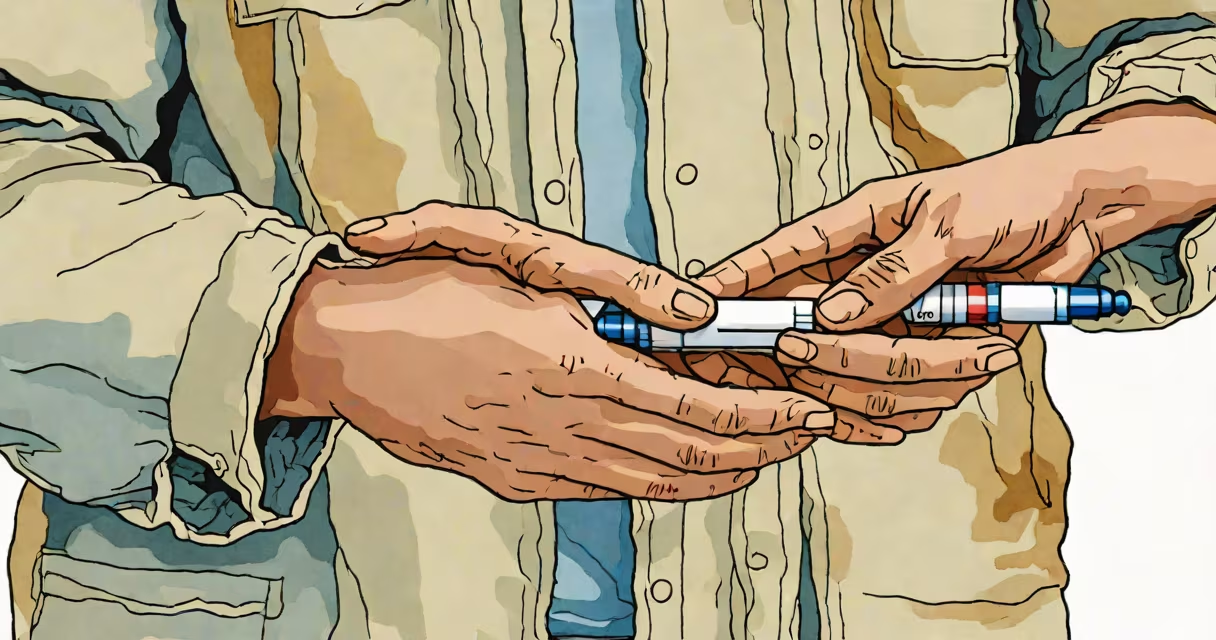
Feeling sick after flu vaccination is normal and typically lasts 1-2 days. This happens because your immune system is responding to the vaccine, not because you've caught the flu.
The flu vaccine contains inactivated or weakened virus components that trigger your immune system. This response can cause mild flu-like symptoms, including fatigue, headache, and low-grade fever. Your body is practicing how to fight the real virus without making you ill.
Symptoms often appear within 6-12 hours of vaccination and may include:
These symptoms are usually milder than actual flu illness. The Centers for Disease Control and Prevention (CDC) confirms that most side effects are minor and short-lived.
Most people feel better within 1-2 days. Severe or lasting symptoms are rare but should be evaluated by a doctor if they persist beyond 3 days. In extreme cases, allergic reactions can occur, but these are very uncommon.
If you feel sick after flu vaccination, rest and stay hydrated. Over-the-counter pain relievers like acetaminophen or ibuprofen can help with discomfort. Avoid strenuous activity for 24 hours. For more guidance, see what to do after vaccination.
Seek medical attention if you experience severe symptoms such as difficulty breathing, swelling of the face or throat, or a high fever that doesn't improve. These could indicate an allergic reaction or infection unrelated to the vaccine.
I once felt mildly fatigued and had a slight headache after my annual flu shot. Resting for a day helped me recover quickly. Most people I know have similar experiences, confirming that these reactions are normal.
Some people believe that feeling sick after vaccination means they've caught the flu. However, the flu vaccine cannot give you the flu because it doesn't contain live virus. Symptoms are simply your body's reaction to the vaccine.
Another misconception is that feeling sick means the vaccine didn't work. In reality, mild symptoms often indicate that your immune system is responding effectively.