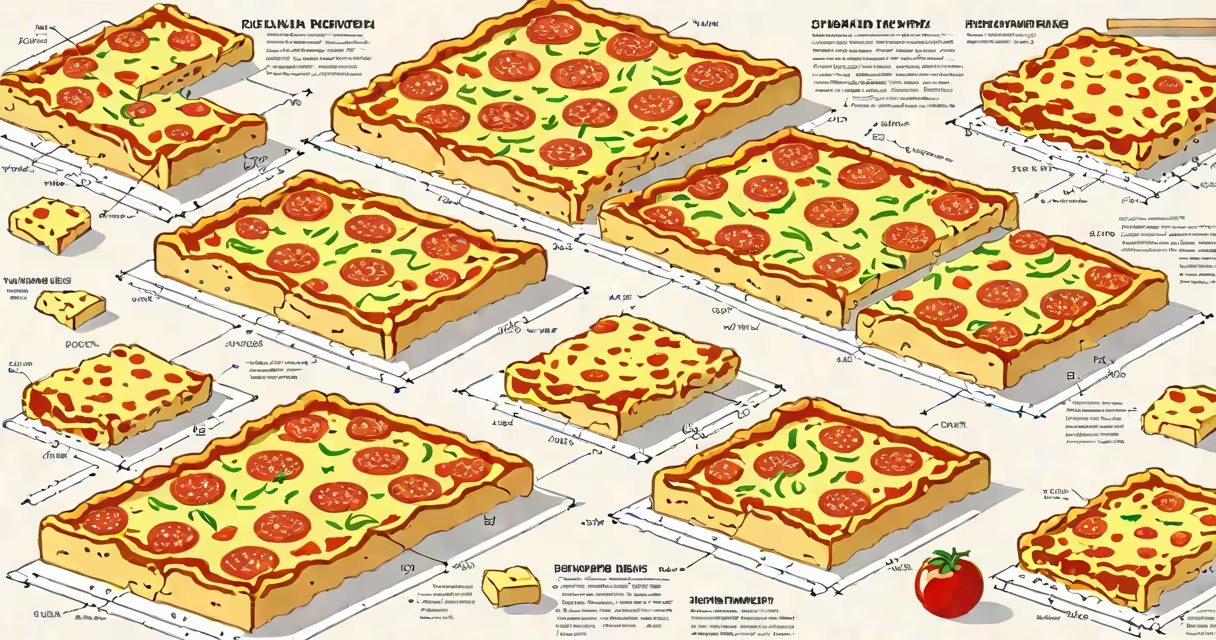
Sicilian pizza dough is a high-hydration, rectangular-shaped pizza base known for its thick, airy, and slightly crispy crust. Originating from Sicily, Italy, this dough typically uses a higher ratio of water to flour than traditional pizza dough, creating a unique texture.
The high hydration (often 70% or more) in Sicilian pizza dough allows for a light, airy interior while maintaining a slightly crispy exterior. This is achieved through a long fermentation process, which develops the dough's structure and flavor. The dough is often proofed in rectangular pans, giving it its signature shape.
While the basic recipe remains consistent, variations exist based on regional preferences and ingredients:
| Type | Key Characteristics |
|---|---|
| Traditional Sicilian | High hydration, long fermentation, rectangular shape, slightly crispy exterior |
| Modern Sicilian | May include additional ingredients like olive oil or herbs, shorter fermentation times |
| Sfincione | A specific type of Sicilian pizza with a thicker crust, topped with onions, anchovies, and breadcrumbs |
Sicilian pizza dough is primarily used in Sicily, Italy, but has gained popularity worldwide due to its unique texture and flavor. It's often used for:
Many people confuse Sicilian pizza dough with other thick-crust pizzas, such as Chicago deep dish or Detroit-style pizza. However, Sicilian pizza dough is distinct due to its high hydration and rectangular shape. Unlike Chicago deep dish, which has a buttery crust and is baked in a deep dish, Sicilian pizza has a lighter, airier crust and is typically baked in a rectangular pan.
Another misconception is that Sicilian pizza dough is the same as focaccia. While they share similarities, focaccia is typically more oily and often topped with herbs and olive oil, whereas Sicilian pizza dough is used for pizza with various toppings.
To make authentic Sicilian pizza dough at home, follow this recipe:
For a more detailed bread dough recipe, see this guide.
Sicilian pizza dough's high hydration and long fermentation create a unique environment for lactic acid bacteria to thrive. These bacteria contribute to the dough's distinctive sour flavor and chewy texture, setting it apart from other pizza doughs.
According to the Serious Eats, the long fermentation also helps to break down gluten proteins, resulting in a more digestible and flavorful crust.