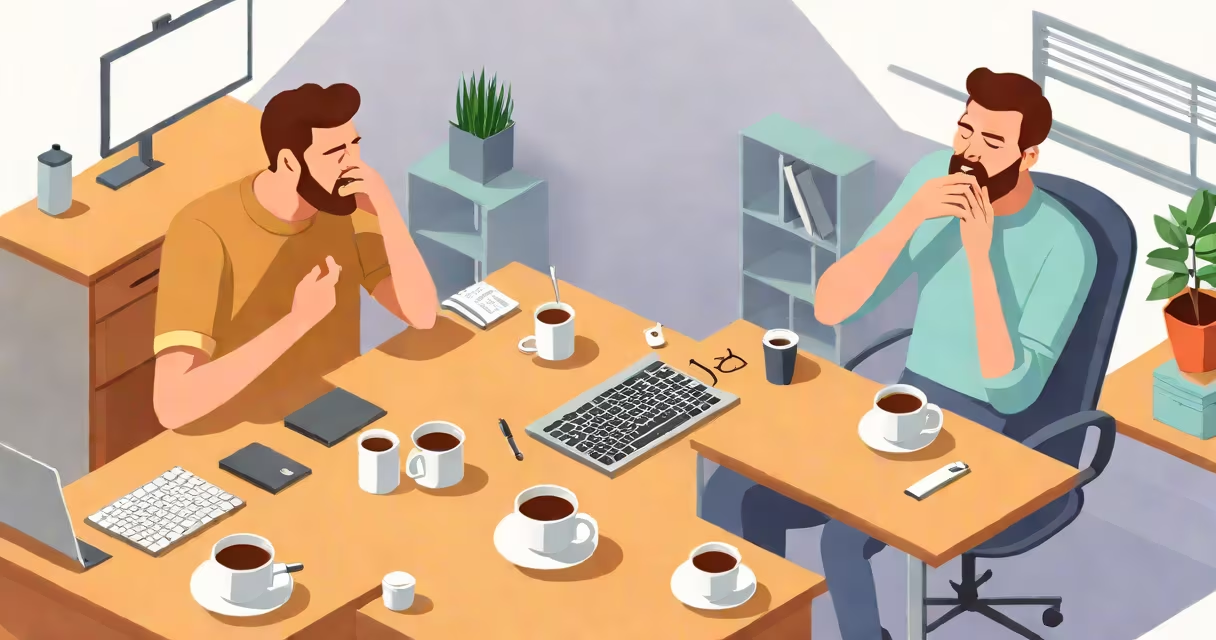
When you've slept all night but still feel tired, it's usually due to poor sleep quality, not quantity. Even 8 hours of fragmented or restless sleep leaves many people feeling exhausted during the day.
Sleep quality matters far more than hours slept. Disruptions like frequent awakenings, sleep apnea, or poor sleep hygiene prevent deep, restorative sleep. The National Sleep Foundation reports that most adults need 7-9 hours of sleep per night, but only about 20% of Americans consistently get high-quality sleep.
Common causes of poor sleep quality include:
Deep sleep stages, particularly slow-wave sleep, are important for physical recovery and mental restoration. If you're waking up frequently, your body may not reach these critical stages. A study published in Sleep Medicine Reviews found that even small disruptions can reduce slow-wave sleep by up to 30%, leaving you groggy.
For example, if you toss and turn throughout the night, you might log 8 hours but only achieve 3 hours of deep sleep. That's why you can feel just as tired as someone who slept only 4 hours.
Many people assume they need more sleep when the real issue is poor sleep quality. Others rely on caffeine or naps, which can worsen long-term fatigue. The key is improving sleep efficiency-the percentage of time spent actually sleeping while in bed.
A common mistake is ignoring sleep disorders. Sleep apnea, for instance, causes breathing interruptions that wake you up repeatedly. Without treatment, it leads to chronic fatigue. If you suspect a disorder, consult a doctor for testing.
Start by optimizing your sleep environment. Keep your bedroom cool, dark, and quiet. Avoid screens before bedtime, and establish a consistent sleep schedule. If stress keeps you awake, try relaxation techniques like deep breathing or meditation.
If lifestyle changes don't help, consider professional evaluation. A sleep study can diagnose disorders like sleep apnea, which may require treatment like a CPAP machine. Addressing the root cause is the best way to wake up refreshed.