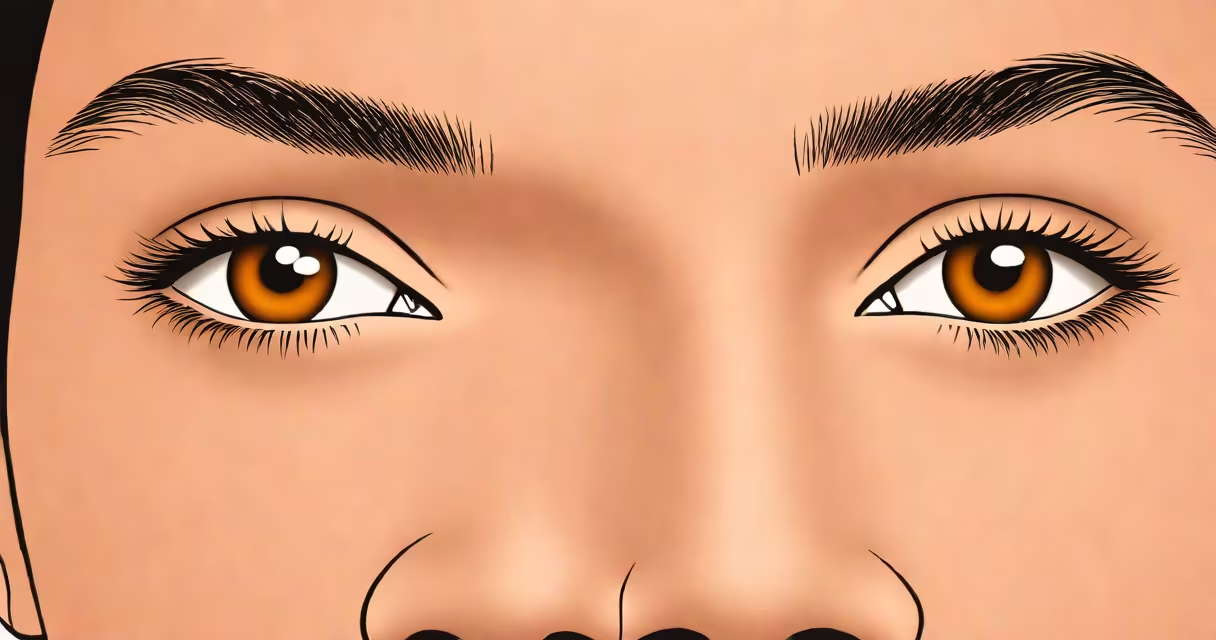
Skin swollen under the eye, known medically as periorbital edema, refers to fluid retention and tissue swelling around the orbital socket. This common condition often results from mild irritation, allergies, or fatigue but can indicate more serious health issues.
The skin under the eyes is some of the thinnest on the body, making it prone to swelling when fluid builds up. The area lacks fat and muscle, so even minor changes in the body can cause visible puffiness. Swelling typically occurs due to increased blood flow, fluid leakage from blood vessels, or tissue inflammation.
Swelling under the eyes can stem from various factors, including:
Many people confuse under-eye swelling with dark circles or fine lines. Dark circles often result from hyperpigmentation or thin skin revealing underlying blood vessels, while swelling involves visible puffiness due to fluid buildup. Unlike dark circles, swollen skin under the eyes may feel tight or tender to the touch.
Most cases of under-eye swelling resolve on their own or with simple remedies. However, consult a healthcare provider if swelling persists for more than a few days, worsens suddenly, or is accompanied by other symptoms such as pain, redness, or vision changes. Chronic swelling could indicate conditions like thyroid disease, kidney problems, or an eye infection.
For immediate relief, apply a cold compress to reduce swelling. Over-the-counter antihistamines can help if allergies are the cause. If the swelling is severe or recurring, see a doctor to rule out underlying health issues.
Under-eye swelling is usually harmless, but understanding its causes and knowing when to seek help can prevent complications. If you experience persistent or severe swelling, consider consulting a healthcare professional for proper diagnosis and treatment.