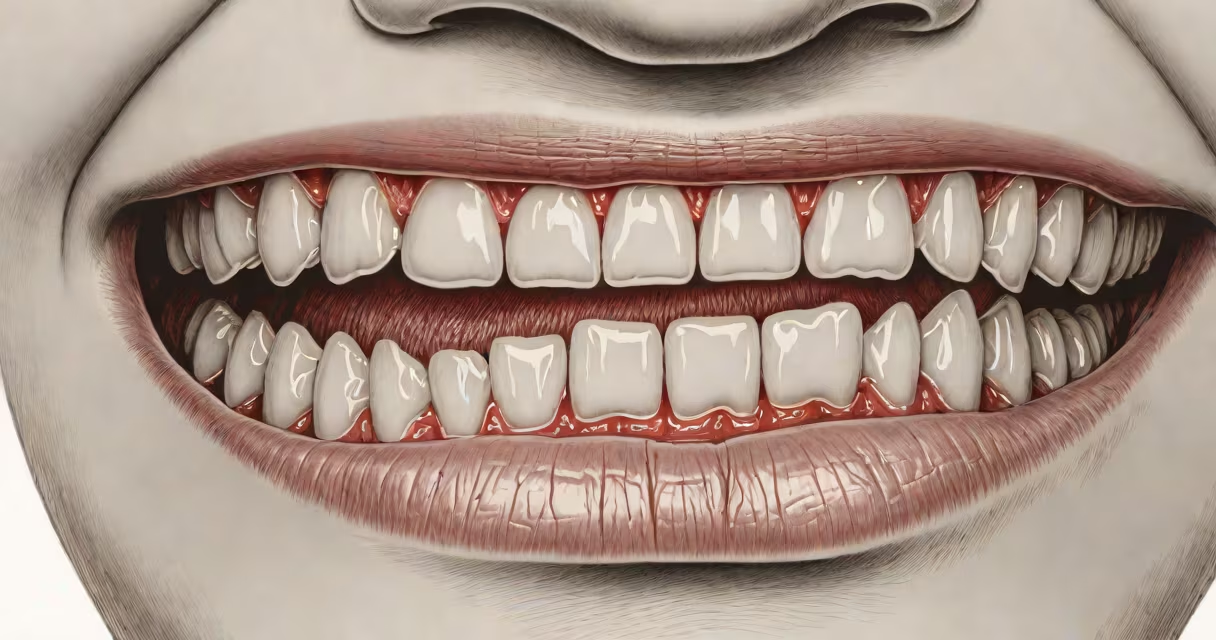
Sore and painful gums are inflamed gum tissue, often caused by plaque buildup, infection, or injury. They may appear red, swollen, or bleed easily.
Gum pain typically results from irritation or infection. Plaque-a sticky film of bacteria-builds up on teeth and gums, releasing toxins that irritate gum tissue. Over time, this leads to inflammation and tenderness. In severe cases, it progresses to gum disease, such as gingivitis or periodontitis.
The most common causes include:
Schedule a dental visit if:
Dentists diagnose the issue through examination and may recommend professional cleaning, antibiotics, or treatment for underlying conditions.
To ease discomfort at home:
However, these are temporary solutions. Addressing the root cause-such as improving oral hygiene or treating gum disease-is essential for long-term relief.
Many people assume sore gums are always due to gum disease. While gum disease is a frequent culprit, other factors-like hormonal changes during pregnancy or menopause-can also cause tenderness., some medications, such as blood thinners, may increase gum sensitivity.
Another misconception is that gum pain always requires aggressive treatment. Mild cases often improve with better oral care and home remedies. However, persistent pain should never be ignored, as it could indicate a serious condition like periodontal disease or oral cancer.
I once treated a patient who assumed their sore gums were due to aggressive brushing. After a thorough exam, we discovered they had an abscessed tooth causing localized gum pain. This highlights the importance of seeing a dentist for accurate diagnosis.
To maintain healthy gums:
These habits reduce the risk of gum disease and keep gums healthy.
If sore and painful gums persist despite good oral hygiene, consult a dentist to rule out underlying issues. Early intervention prevents complications and promotes long-term gum health.