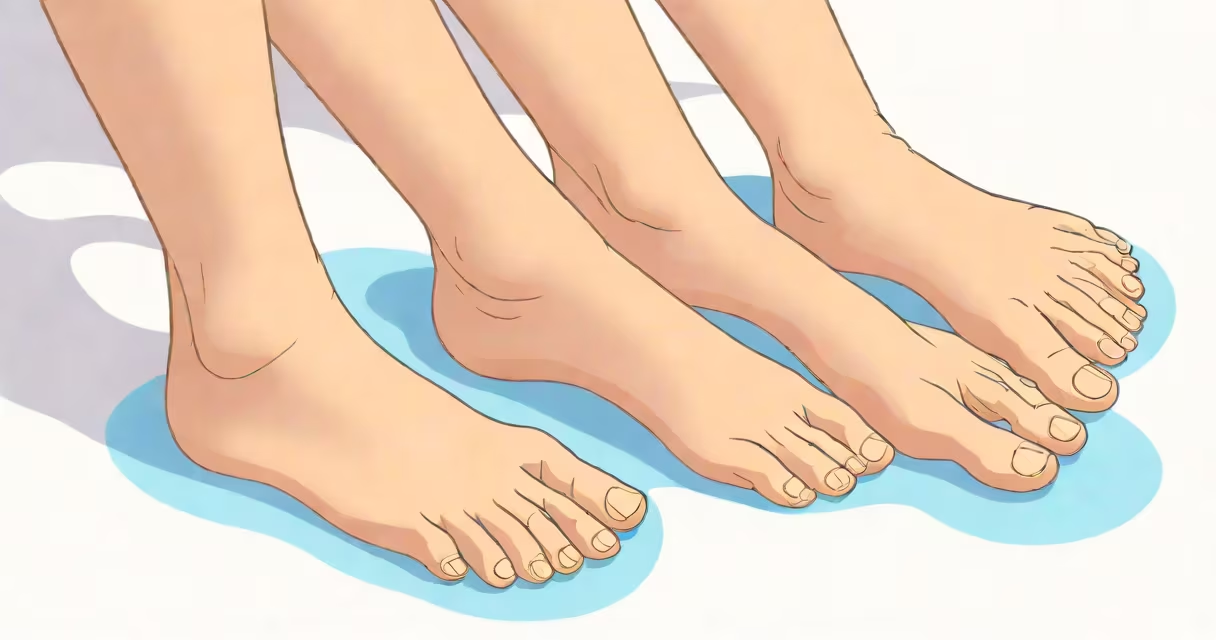
Soft tissue edema foot occurs when fluid accumulates in the soft tissues of the foot, causing swelling and discomfort. This condition often results from injury, inflammation, or underlying medical issues.
Edema forms when tiny blood vessels leak fluid into surrounding tissues. The foot's soft tissues-including skin, fat, and connective tissue-absorb this excess fluid, leading to swelling. Gravity worsens foot edema, as fluid pools in the lowest part of the body.
Foot edema falls into several categories, each with distinct causes:
| Type | Common Causes |
|---|---|
| Acute edema | Sudden trauma, such as a sprain or fracture |
| Chronic edema | Long-term conditions like heart failure or kidney disease |
| Peripheral edema | Poor circulation, often from varicose veins or diabetes |
| Lymphedema | Blocked lymphatic system, usually post-surgery or infection |
Symptoms vary but typically include:
Severe cases may cause skin ulcers or infections due to poor circulation.
Doctors diagnose soft tissue edema foot through physical exams and tests like blood work or imaging. Treatment depends on the cause but often includes:
For lymphedema, specialized massage therapy may help. In my experience working with patients, compression therapy combined with gentle exercise often yields the best results.
Seek medical attention if swelling persists for more than a few days, worsens suddenly, or accompanies other symptoms like chest pain or shortness of breath. These could indicate serious conditions like heart failure or deep vein thrombosis.
Soft tissue edema foot is rarely life-threatening but requires proper diagnosis and treatment. Addressing the root cause-whether injury, inflammation, or chronic illness-is key to managing symptoms effectively. For related conditions, see managing soft tissue pain in the hips.