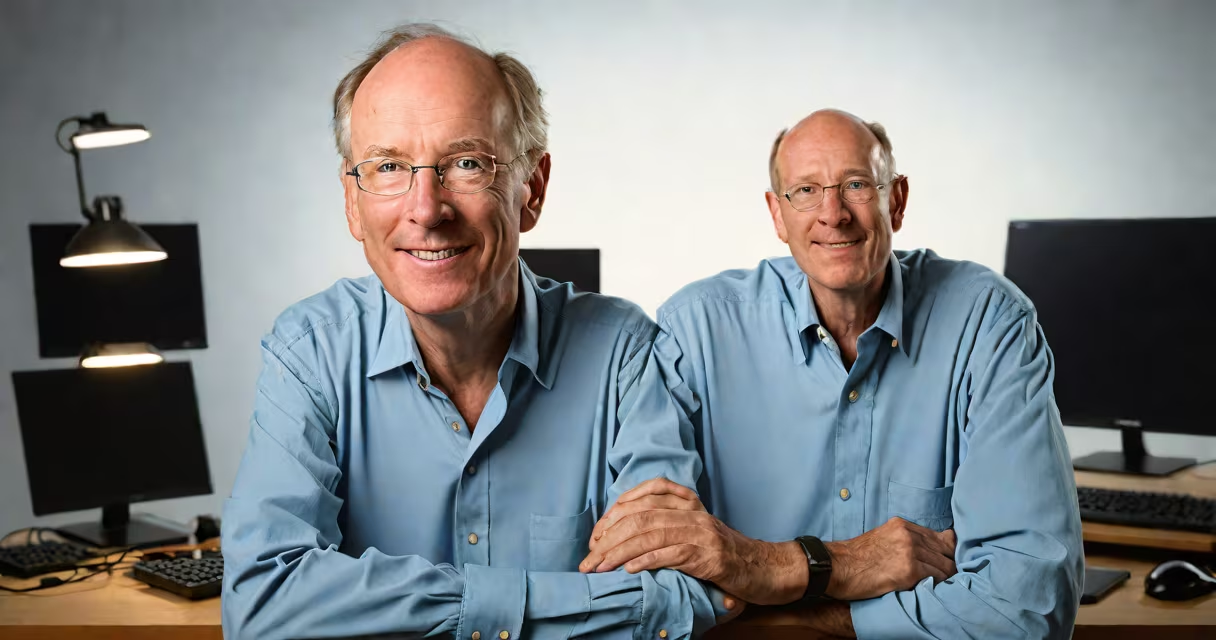
Stuart Russell AI refers to the research and advocacy efforts led by Professor Stuart Russell, focusing on developing artificial intelligence systems that remain beneficial to humanity. His work emphasizes the importance of aligning AI goals with human values to prevent potential misuse or unintended consequences.
Stuart Russell is a professor of computer science at the University of California, Berkeley. He has authored numerous influential books and papers on AI, including the widely used textbook "Artificial Intelligence: A Modern Approach." His research spans various aspects of AI, including machine learning, robotics, and cognitive architectures.
Russell's work on AI safety is centered around the idea of "human-compatible AI." He argues that AI systems should be designed to understand and adapt to human intentions, rather than blindly following predefined objectives. This approach aims to prevent scenarios where AI systems pursue harmful goals due to misaligned incentives.
One of his notable contributions is the concept of "corrigible AI," which suggests that AI systems should allow themselves to be corrected or shut down by humans. This idea is part of a broader structure to ensure that AI remains under meaningful human control.
Russell's views on AI safety have sparked debate within the AI community. Some researchers argue that his concerns are overblown, while others appreciate his cautious approach. Russell has been vocal about the potential risks of advanced AI systems, advocating for proactive measures to mitigate these risks.
In his book "Human Compatible: Artificial Intelligence and the Problem of Control," Russell explores the challenges of controlling superintelligent AI systems. He proposes that AI should be designed to learn human values and preferences dynamically, rather than relying on static programming.
Russell's research has practical implications for various AI applications, from autonomous vehicles to healthcare diagnostics. For example, his work on corrigible AI could be applied to ensure that self-driving cars prioritize passenger safety and follow traffic laws.
In healthcare, AI systems designed with human compatibility in mind could better assist doctors in diagnosing and treating patients, while minimizing the risk of errors or unintended consequences.