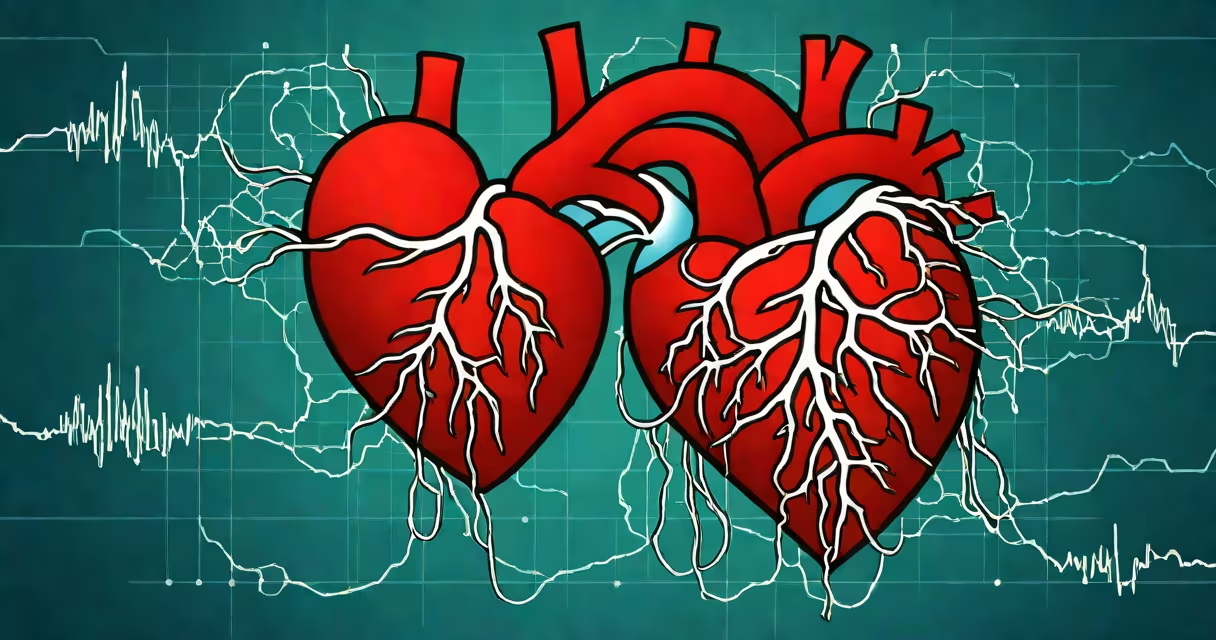
Sudden arrhythmic death syndrome (SADS) is a sudden cardiac death caused by an undiagnosed heart rhythm disorder, typically affecting young people and athletes. It occurs when the heart's electrical system malfunctions, leading to chaotic rhythms like ventricular fibrillation.
The heart's electrical signals control its contractions. In SADS, these signals become erratic, causing the heart to quiver instead of pump blood effectively. Without immediate treatment, this leads to cardiac arrest within minutes.
| Type | Cause | Risk Factors |
|---|---|---|
| Long QT syndrome | Delayed repolarization | Genetic mutations, certain medications |
| Brugada syndrome | Abnormal sodium channels | Genetics, male sex, fever |
| Catecholaminergic polymorphic ventricular tachycardia | Adrenaline-triggered arrhythmias | Stress, exercise, genetics |
Early detection through genetic testing and ECG screenings can prevent SADS. The American Heart Association recommends screening for high-risk individuals, especially those with a family history of unexplained cardiac death. Implantable cardioverter-defibrillators (ICDs) can save lives by shocking the heart back into normal rhythm.
I witnessed the power of prevention firsthand when a friend's life was saved by an ICD after a SADS diagnosis. Regular check-ups and awareness campaigns are important for reducing these tragedies.