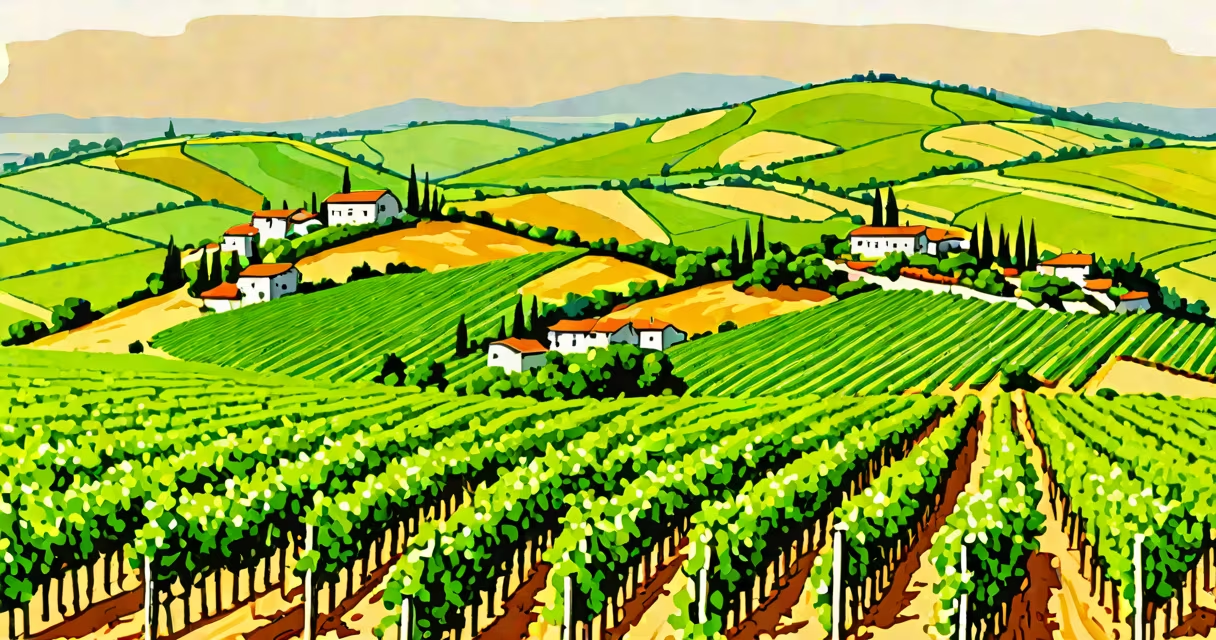
Sudao do Sul is a wine-producing region in southern Brazil known for its cool climate and high-altitude vineyards that yield crisp, aromatic wines. Located in the state of Rio Grande do Sul, this area benefits from a unique combination of factors that set it apart from other Brazilian wine regions.
Sudao do Sul sits at elevations between 600 and 800 meters above sea level. The region's cool climate, with average temperatures ranging from 12°C to 20°C (54°F to 68°F), allows for a long growing season. This extended period helps develop complex flavors in grapes like Cabernet Sauvignon, Merlot, and Chardonnay.
The area receives moderate rainfall, typically around 1,200 millimeters annually, which is well-distributed throughout the year. The vineyards benefit from good drainage due to the region's hilly terrain, preventing waterlogging and promoting healthy root development.
Sudao do Sul is primarily known for its red wines, particularly those made from Cabernet Sauvignon and Merlot. These varieties thrive in the region's cool climate, developing intense colors and flavors. White wine production is growing, with Chardonnay being the most prominent variety.
Local winemakers are also experimenting with Italian varieties like Sangiovese and Barbera, which show promise in the region's terroir. These grapes contribute to the diversity of wines produced in Sudao do Sul, offering consumers a range of styles to explore.
Winemakers in Sudao do Sul employ both traditional and modern techniques to craft their wines. Many use temperature-controlled fermentation to preserve the delicate aromas and flavors of their grapes. Oak aging is common, particularly for red wines, which gain structure and complexity from time spent in barrels.
Some producers are exploring alternative methods, such as using amphorae for fermentation and aging. These vessels, made from clay, impart unique characteristics to the wines, enhancing their texture and adding subtle earthy notes.
One of the main challenges faced by winemakers in Sudao do Sul is the region's susceptibility to frost. The cool climate that benefits grape quality can also bring unexpected freezing temperatures, damaging young vines and buds. Producers mitigate this risk through careful site selection and the use of wind machines to circulate warm air during cold snaps.
Despite these challenges, Sudao do Sul presents significant opportunities for growth. The region's cool climate allows for the production of high-quality wines that stand out in the Brazilian market. As consumer interest in cool-climate wines grows globally, Sudao do Sul is poised to gain recognition for its unique offerings.
Visitors to Sudao do Sul can enjoy wine tastings at several estates, many of which offer tours of their vineyards and production facilities. The region's scenic beauty, with rolling hills and picturesque landscapes, provides a stunning backdrop for wine tourism. Local restaurants often feature regional cuisine paired with Sudao do Sul wines, offering a complete sensory experience.
I visited Sudao do Sul last autumn and was struck by the dedication of the winemakers. Their passion for crafting wines that reflect the region's terroir is evident in every bottle. The combination of natural beauty, warm hospitality, and strong wines makes Sudao do Sul a must-visit destination for wine enthusiasts.