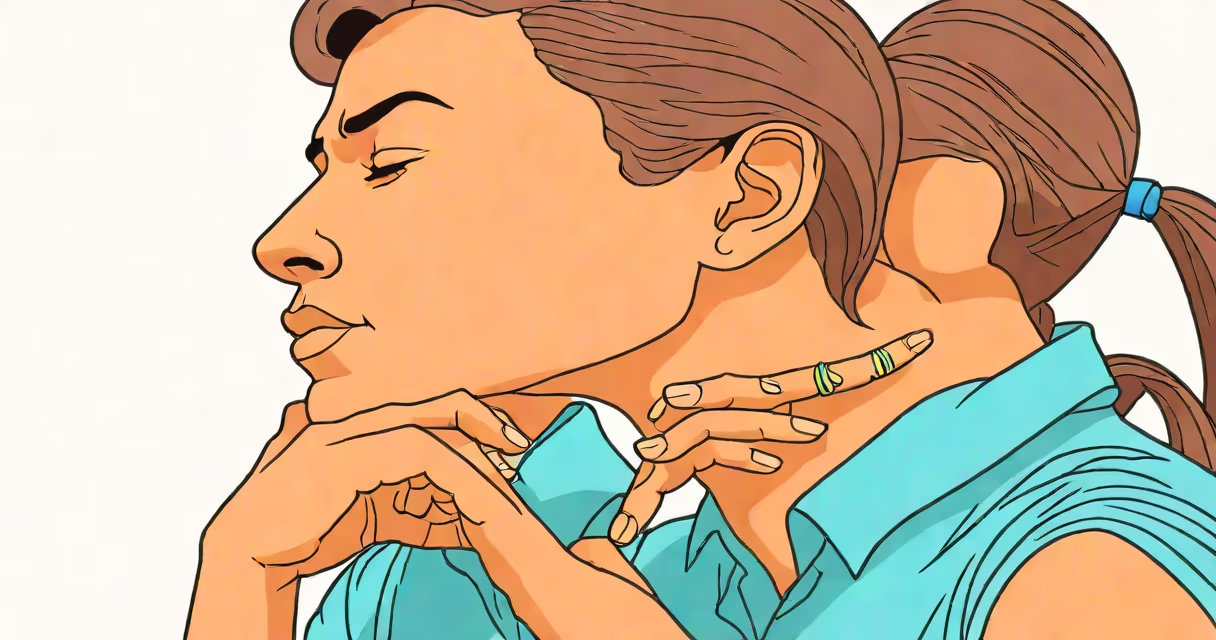
A sudden neck spasm is an involuntary, painful contraction of neck muscles that causes brief or prolonged stiffness, often limiting movement. These spasms typically resolve within minutes but may persist for hours in severe cases.
Neck spasms occur when muscles in the neck suddenly contract and refuse to relax. This can happen due to muscle strain, poor posture, dehydration, or stress. The spasm may feel like a sharp, stabbing pain or a persistent cramp that restricts head movement.
| Type | Duration | Common Causes |
|---|---|---|
| Acute Spasm | Seconds to minutes | Poor posture, sudden movement |
| Chronic Spasm | Hours to days | Muscle strain, dehydration, stress |
| Spasmodic Torticollis | Recurrent episodes | Cervical dystonia, nerve issues |
Sudden neck spasms often result from muscle strain, poor posture, or sudden movements. Other triggers include dehydration, stress, and lack of sleep. In rare cases, spasms may indicate underlying conditions like cervical dystonia or pinched nerves.
For example, spending hours hunched over a computer can strain neck muscles, leading to spasms when you suddenly stand up. Similarly, dehydration reduces electrolyte balance, making muscles more prone to cramping.
Most neck spasms resolve on their own, but gentle stretching, heat application, and over-the-counter pain relievers can help. Staying hydrated, maintaining good posture, and taking regular breaks from sedentary activities reduce the risk of spasms.
I once experienced a sudden neck spasm after an intense workout. Applying a warm compress and gently massaging the area helped relieve the pain within 10 minutes. However, if spasms occur frequently or last longer than a few hours, consulting a healthcare provider is advisable.
While most neck spasms are harmless, persistent or severe spasms may indicate a more serious issue. Seek medical attention if spasms are accompanied by headaches, numbness, or weakness in the arms. Conditions like cervical dystonia or muscle spasm in neck pain require professional evaluation and treatment.
According to the American Academy of Orthopedic Surgeons, persistent neck pain or spasms that do not improve with home care should be evaluated by a healthcare provider to rule out underlying conditions.
For more detailed information on muscle spasm in neck pain, visit our guide on muscle spasm in neck pain.