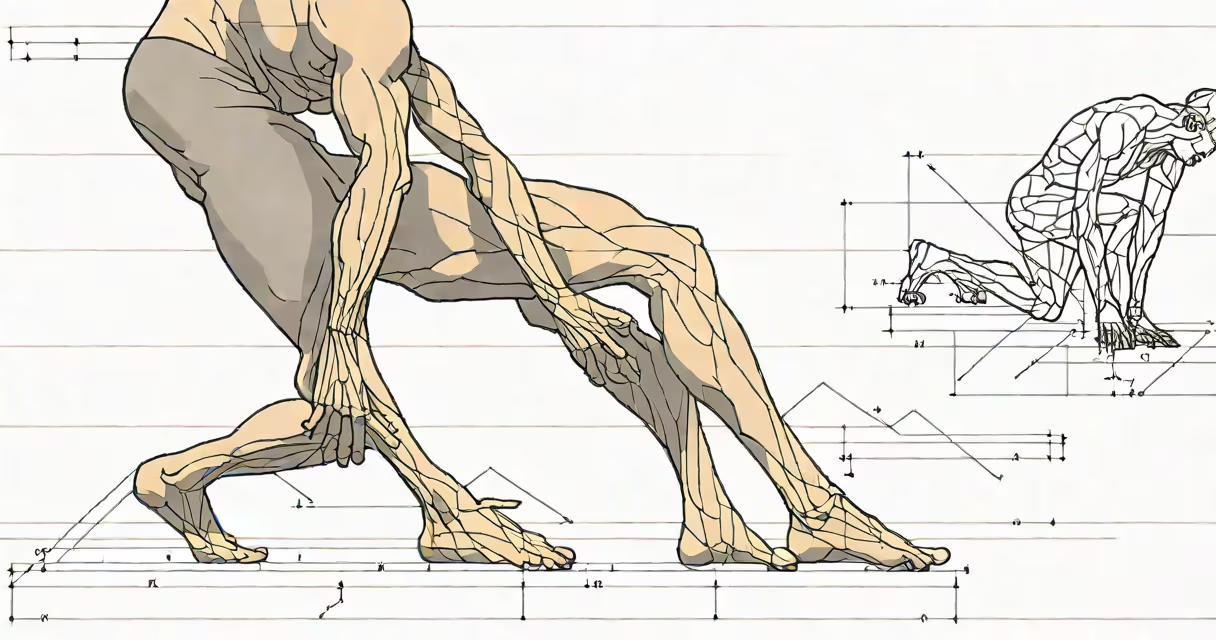
Sudden muscle cramps are involuntary contractions of a muscle or group of muscles that come on quickly and last from a few seconds to several minutes. They often occur during exercise, at night, or while performing routine activities.
Muscles contract and relax in response to signals from the nervous system. A cramp happens when a muscle contracts involuntarily and cannot relax. This can occur due to overuse, dehydration, electrolyte imbalances, or nerve compression.
Sudden muscle cramps can be categorized based on their triggers:
| Type | Common Triggers | Duration |
|---|---|---|
| Exercise-associated cramps | Intense physical activity, dehydration, electrolyte loss | Seconds to minutes |
| Nighttime cramps | Sitting or lying in awkward positions, poor circulation, nerve issues | Minutes |
| Idiopathic cramps | Unknown causes, possibly genetic factors | Varies |
Sudden muscle cramps most commonly affect the legs, particularly the calves, but they can also occur in the feet, hands, arms, and abdomen. They are more likely to happen during or after exercise, in hot weather, or when dehydrated.
One non-obvious fact: muscle cramps are not always caused by muscle fatigue. Sometimes, they result from nerve dysfunction or issues with the way the brain and spinal cord communicate with muscles.
Another myth is that muscle cramps are solely due to a lack of hydration. While dehydration is a common cause, other factors like low levels of potassium, calcium, or magnesium can also trigger them.
To prevent sudden muscle cramps, stay hydrated, especially during and after exercise. Consume a balanced diet rich in electrolytes like potassium, calcium, and magnesium. Stretching before and after physical activity can also reduce the risk.
If a cramp occurs, gently stretch and massage the affected muscle. Applying heat can help relax the muscle, while cold can numb the area and reduce pain. In severe cases, hydration solutions or electrolyte supplements may be necessary.
I once experienced a sudden calf cramp during a run. Stopping to stretch and massage the muscle helped relieve the cramp within a minute. Since then, I make sure to stay hydrated and stretch properly before exercising.