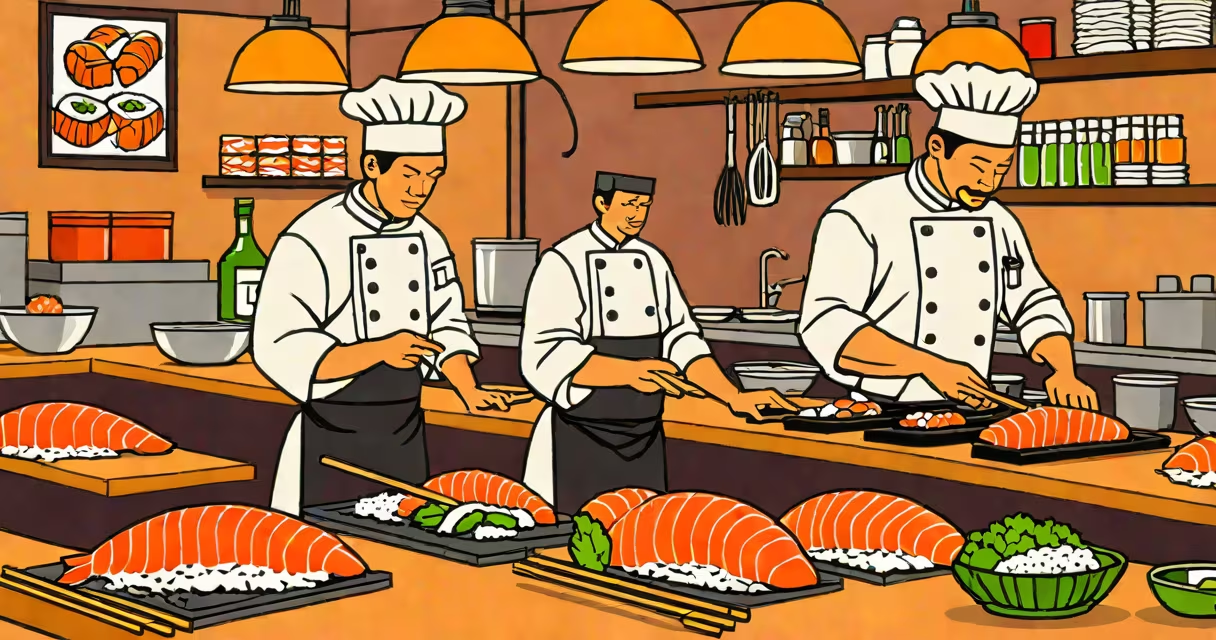
A sushi restaurant goes beyond simply serving sushi-it offers an immersive experience combining fresh ingredients, skilled preparation, and cultural traditions. These establishments specialize in Japanese cuisine, focusing on raw fish, vinegared rice, and other complementary dishes.
Most sushi restaurants operate on a simple principle: freshness. Fish is typically sourced daily from local markets or trusted suppliers. The chef, known as an itamae, prepares sushi using precise techniques passed down through generations. Many high-end sushi restaurants follow the omakase format, where the chef selects the dishes based on seasonal availability and the diner's preferences.
Sushi comes in several forms, each with distinct characteristics:
| Type | Description | Example |
|---|---|---|
| Nigiri | Hand-pressed rice topped with raw fish or seafood | Salmon nigiri |
| Maki | Rice and fillings rolled in seaweed and sliced | California roll |
| Sashimi | Sliced raw fish served without rice | Tuna sashimi |
| Temaki | Cone-shaped hand rolls filled with rice and ingredients | Spicy tuna temaki |
Sushi restaurants are found worldwide, from street stalls in Tokyo to fine dining establishments in New York. They cater to those seeking authentic Japanese flavors, a healthy dining option, or a unique culinary experience. Many restaurants emphasize sustainability, sourcing fish from well-managed fisheries to preserve ocean ecosystems.
One non-obvious fact: traditional sushi restaurants often use shari (vinegared rice) made with short-grain Japanese rice, sugar, and vinegar. The rice is seasoned to complement the fish without overpowering it-a delicate balance achieved through practice and precision.
I once visited a sushi restaurant in Tokyo where the chef prepared a custom omakase meal. The experience included fresh tuna, seabream, and even seasonal delicacies like uni (sea urchin). The chef explained each dish's origin and preparation, making the meal both educational and delicious.
A sushi restaurant goes beyond just serving food-it offers a cultural experience rooted in tradition and freshness. sashimi, understanding the craft behind each dish enhances the dining experience.