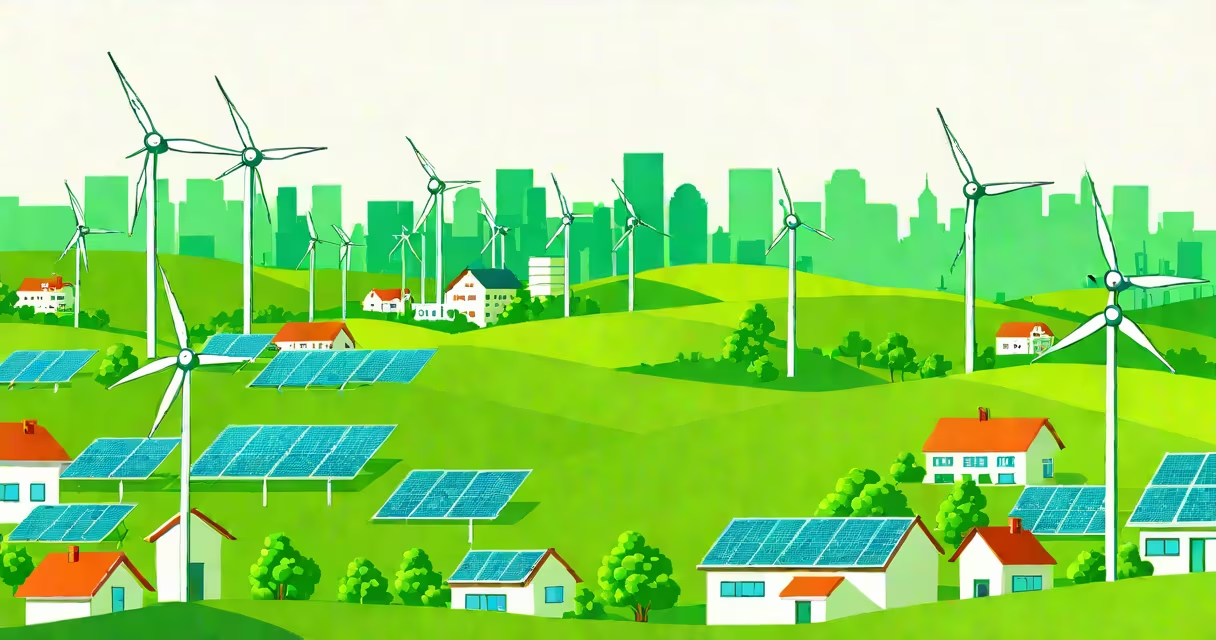
Sustainable development practices are strategies that meet current needs without compromising future generations' ability to meet their own needs. These practices integrate economic growth, environmental protection, and social equity.
These practices focus on long-term solutions rather than short-term gains. They involve using resources efficiently, reducing waste, and promoting social well-being. For example, a company might invest in renewable energy to reduce carbon emissions while creating jobs in the green energy sector.
| Type | Description | Example |
|---|---|---|
| Environmental | Protects natural resources and ecosystems | Reforestation projects |
| Economic | Promotes fair and inclusive economic growth | Supporting local businesses |
| Social | Ensures access to education, healthcare, and fair wages | Community health programs |
Some people believe sustainable development practices are too expensive or slow economic growth. However, studies show that sustainable practices can reduce costs in the long run and create new job opportunities. For example, investing in energy-efficient buildings can lower utility bills and improve air quality.
In Copenhagen, Denmark, the city aims to become carbon neutral by 2025. They achieved this through sustainable urban planning, cycling infrastructure, and renewable energy sources. This approach improves public health and quality of life.
Understanding and implementing sustainable development practices is important for a healthy planet and prosperous future. By adopting these strategies, we can ensure that future generations inherit a world rich in opportunities and resources.