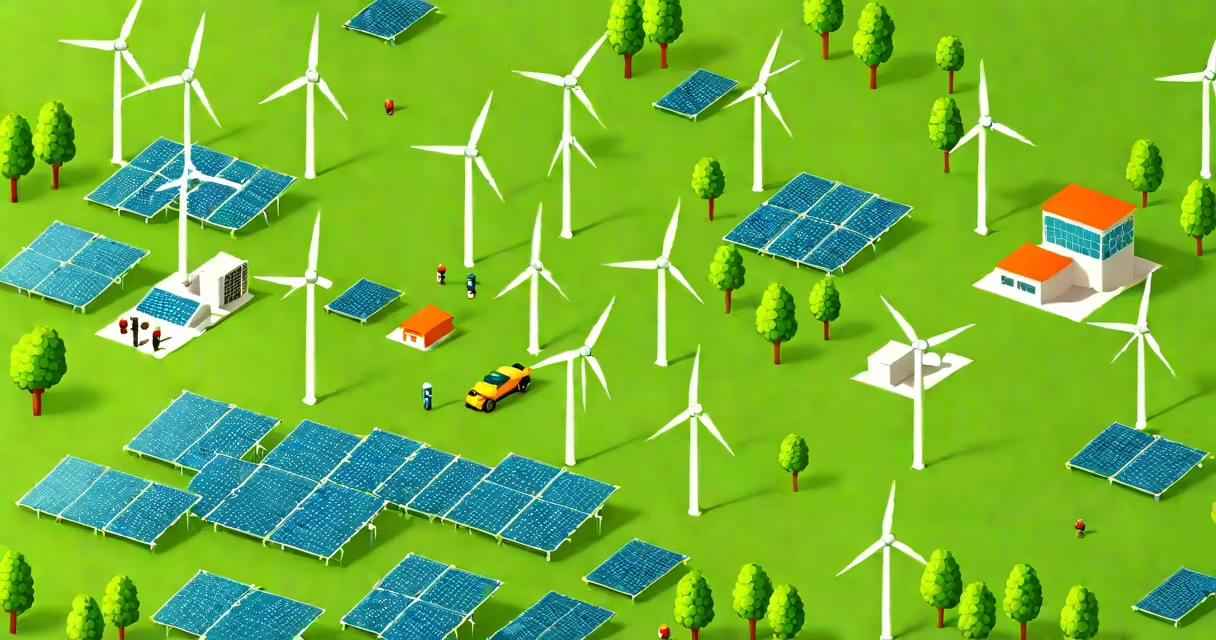
Sustainable energy and fuels are power sources that meet current needs without compromising future availability, typically generated from renewable resources like sunlight, wind, water, or organic matter. These sources produce minimal pollution and greenhouse gas emissions, making them critical for combating climate change.
Sustainable energy systems convert natural processes into usable power. Solar panels capture sunlight and convert it into electricity, while wind turbines use wind movement to generate energy. Biomass fuels, derived from organic materials, can replace fossil fuels in heating and transportation. Unlike finite fossil fuels, these sources replenish naturally and emit far fewer pollutants.
The most common types include:
According to the International Renewable Energy Agency (IRENA), solar and wind energy alone accounted for over 80% of new power generation capacity added globally in 2022.
Sustainable energy is deployed worldwide to reduce reliance on fossil fuels and lower carbon footprints. Governments and businesses invest in these technologies to meet climate goals, improve public health, and create jobs in green industries. For example, Iceland generates nearly 100% of its electricity from hydro and geothermal sources, while Denmark leads in wind energy adoption.
Tesla's Solar Roof integrates solar tiles into traditional roofing materials, generating clean energy while blending smoothly with homes. This innovation demonstrates how sustainable energy can be both functional and aesthetically pleasing, reducing grid dependence and lowering electricity bills.
Sustainable energy and fuels are essential for a cleaner, more resilient future. By using renewable sources, we can reduce environmental harm, improve energy security, and support economic growth. Transitioning to these alternatives is not just an option-it's a necessity for preserving the planet for future generations.