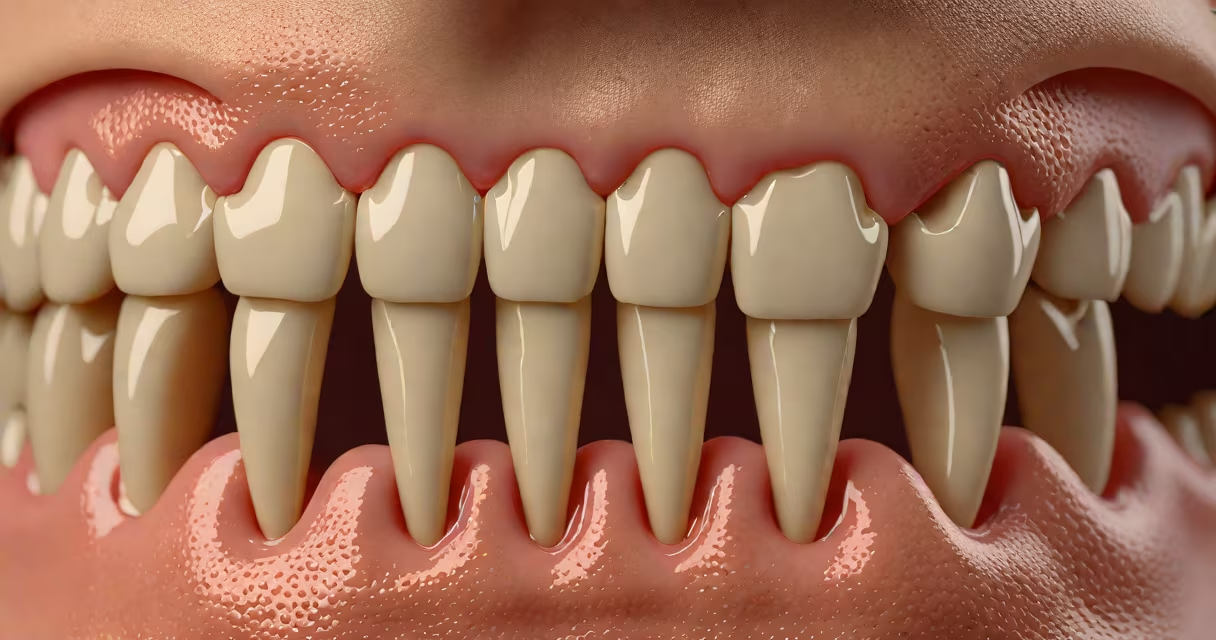
A sinus infection can cause tooth and jaw pain because the maxillary sinuses sit above your upper teeth. When inflamed, they press on nearby nerves and roots.
The maxillary sinuses are hollow spaces in your cheekbones above your upper teeth. When infected, they swell and put pressure on the roots of your upper molars and premolars. This mimics dental pain.
Nerves from your sinuses and teeth share pathways. Sinus infections can trigger referred pain, making your teeth and jaw ache even though nothing is wrong with them.
| Type | Location | Key Feature |
|---|---|---|
| Maxillary sinusitis | Upper teeth, cheekbones | Worse when bending forward |
| Ethmoid sinusitis | Between eyes, upper teeth | Pressure behind nose |
| Sphenoid sinusitis | Deep in skull, upper molars | Pain radiates to temples |
Sinus-related tooth pain usually affects multiple teeth on one side. Dental pain is often localized to one tooth. Sinus pain worsens with head movements, while dental pain stays constant.
If you're unsure, see a doctor. Dental pain from an abscess or cavity won't improve with sinus treatments.
See a doctor if pain lasts more than 10 days, or if you have:
Over-the-counter pain relievers like ibuprofen or acetaminophen can help. Nasal decongestants may reduce pressure. Stay hydrated and use saline rinses.
Antibiotics are only needed for bacterial infections, which account for about 2% of cases according to the American Academy of Family Physicians.
Last winter, I had sinus pain so severe I thought I needed a root canal. My dentist checked for cavities and found none. She recommended nasal steroids, and the pain disappeared within days.