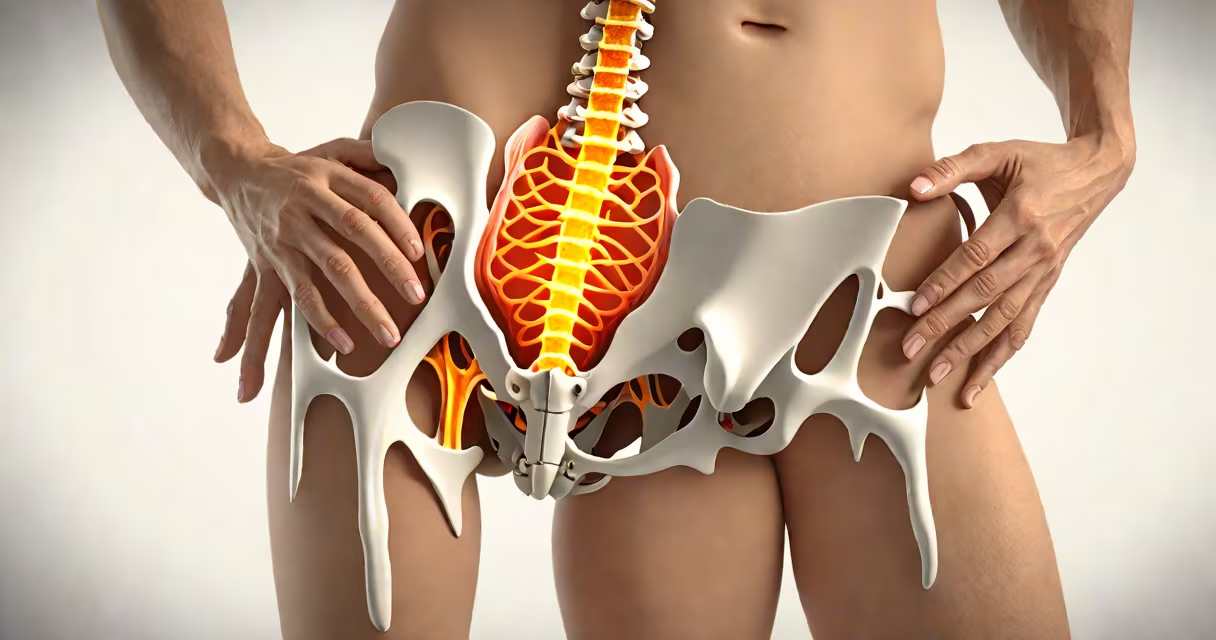
A throbbing pain in your left hip typically results from muscle strain, tendonitis, or arthritis affecting the hip joint or surrounding tissues. This persistent ache often worsens with movement or pressure.
The hip joint connects the thigh bone to the pelvis, supported by muscles, tendons, and ligaments. Throbbing pain occurs when these structures become inflamed or damaged, disrupting normal function. The body responds by increasing blood flow to the area, creating the pulsating sensation.
Common sources of throbbing hip pain include:
Doctors diagnose the cause through physical exams and imaging tests like X-rays or MRIs. Treatment varies by cause but may include:
| Treatment Type | Examples | When Used |
|---|---|---|
| Rest and ice | 20-minute ice applications, avoiding strenuous activity | First 48 hours of acute pain |
| Medications | NSAIDs like ibuprofen, prescription pain relievers | Persistent inflammation or severe pain |
| Physical therapy | Stretching and strengthening exercises | Chronic pain or muscle weakness |
| Injections | Corticosteroid shots | Severe inflammation or arthritis |
Consult a healthcare provider if the pain lasts more than a few days, worsens at night, or accompanies swelling, redness, or fever. Sudden, intense pain-especially after an injury-requires immediate attention.
I once treated a throbbing hip pain by resting and applying ice for three days. The discomfort faded, but a physical therapist later identified weak gluteal muscles contributing to the issue. Strengthening exercises resolved it completely.
To reduce the risk of hip pain:
Another mistake is assuming hip pain always stems from the hip itself. Sometimes, the source lies in the lower back or referred pain from sciatica. Accurate diagnosis is important for effective treatment.