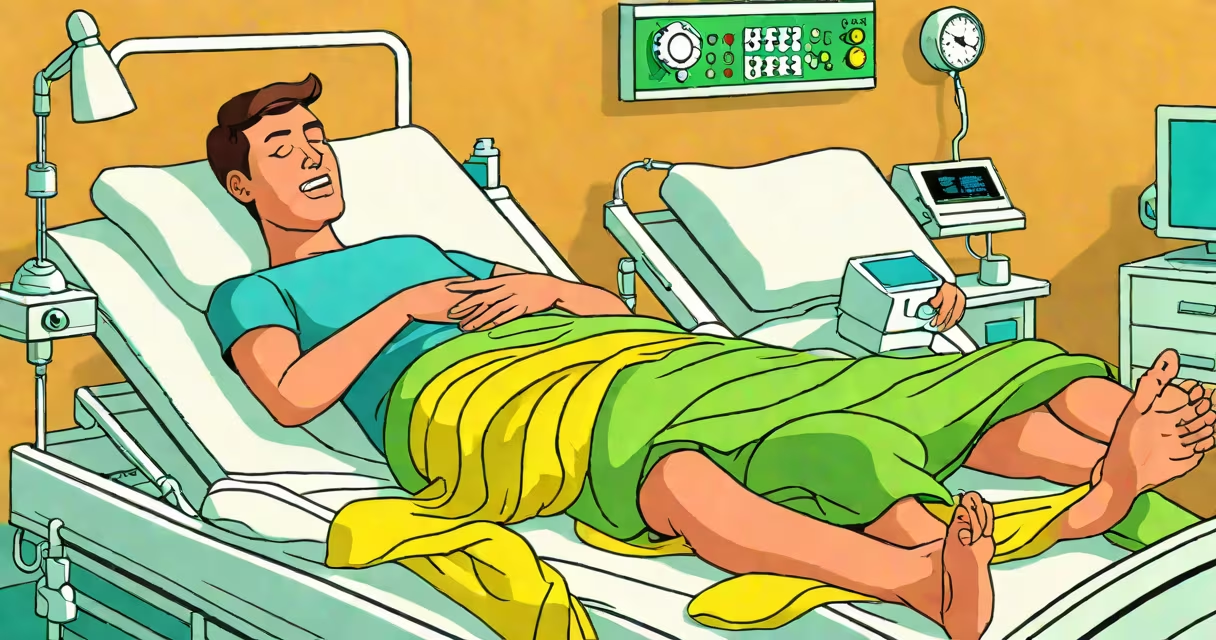
Throwing up after gallbladder removal occurs in about 25% of patients due to anesthesia effects and bile flow disruption. This usually resolves within 24 hours, but persistent vomiting may signal complications.
The gallbladder stores bile produced by the liver. During gallbladder removal (cholecystectomy), bile flows directly into the small intestine. Anesthesia and surgical stress can cause nausea and vomiting. The body needs time to adjust to bile flowing continuously rather than in concentrated bursts.
Postoperative vomiting typically results from:
Most patients stop vomiting within 6-24 hours. Bile flow stabilizes within 1-2 weeks as the liver adjusts production. Persistent vomiting beyond 48 hours warrants medical attention.
Contact your surgeon if vomiting continues beyond 48 hours or you experience:
These may indicate infection, bile duct obstruction, or other complications requiring treatment.
To reduce discomfort:
Most patients can return to normal eating within 1-2 weeks. For specific dietary guidance, consult your surgeon or a registered dietitian.
Many people assume vomiting after gallbladder removal is always serious. In reality, it's usually temporary. Another myth is that eating normally can resume immediately - this often worsens symptoms. The digestive system needs time to adapt to bile flowing differently.
I noticed this firsthand when recovering from my own gallbladder removal. While I experienced mild nausea the first day, it resolved completely within 24 hours by following the clear liquid diet recommended by my surgeon.
After gallbladder removal, some patients develop occasional diarrhea due to bile entering the colon. This usually improves within a few weeks. For persistent issues, doctors may recommend bile sequestrants or fiber supplements.
For specific food questions, see our guides on salmon and steak after gallbladder removal.