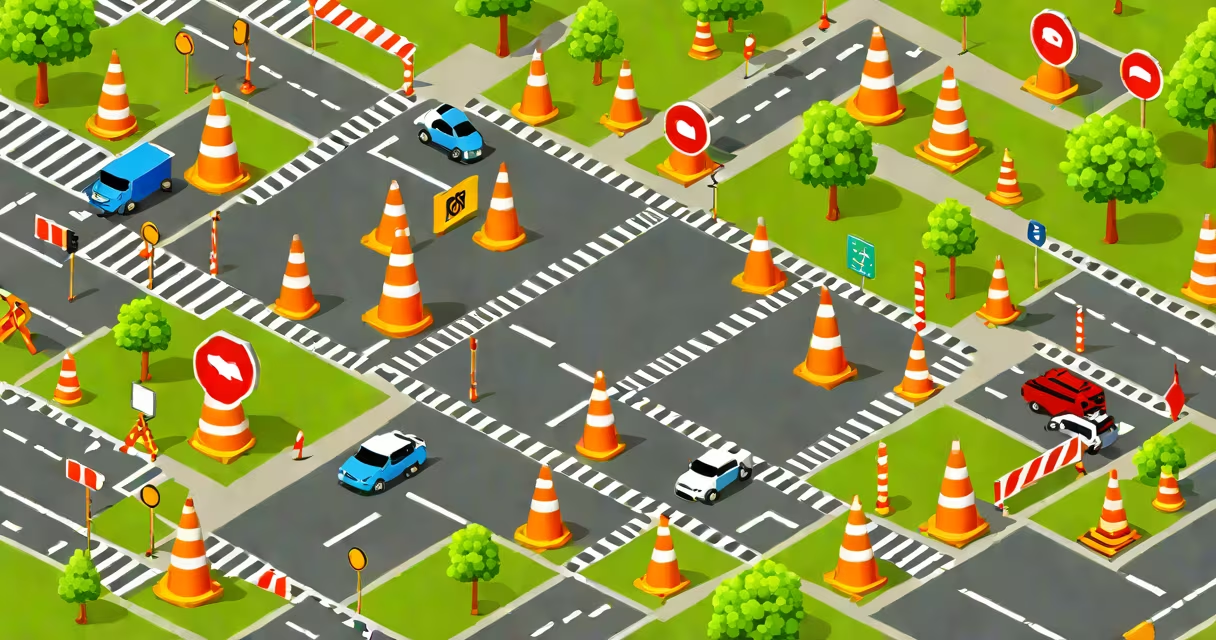
Traffic Signs Manual Chapter 7 outlines standards for temporary traffic control devices used during roadwork, construction, and maintenance operations. It ensures consistent communication with drivers in changing conditions.
Chapter 7 of the Traffic Signs Manual establishes a system of portable signs, barricades, and pavement markings to reroute traffic safely around work zones. These devices follow strict placement and visibility rules to minimize confusion and accidents.
| Device Type | Purpose | Example |
|---|---|---|
| Warning signs | Alert drivers to upcoming changes | Orange diamond-shaped signs |
| Regulatory signs | Enforce temporary speed limits or lane closures | Black-and-white rectangular signs |
| Channeling devices | Guide vehicles through altered pathways | Cones, barrels, or temporary barriers |
These guidelines apply nationwide whenever roadways are temporarily altered. The Federal Highway Administration reports that proper temporary traffic control reduces work zone crashes by 42%. For example, a city installing new water mains would use Chapter 7 standards to set up detours and maintain safe traffic flow.
Many assume temporary signs follow permanent traffic rules, but they actually have different color schemes (orange vs. white/black) and placement guidelines. Unlike permanent signs, temporary ones must be highly visible from multiple angles due to constantly changing traffic patterns.
When my neighborhood underwent road repairs, I noticed the crew placed advance warning signs 1,000 feet before the work zone - exactly as Chapter 7 specifies. This early notice allowed drivers to adjust speed and position safely. The manual's requirements create a universal language that works whether in urban intersections or rural highway projects.