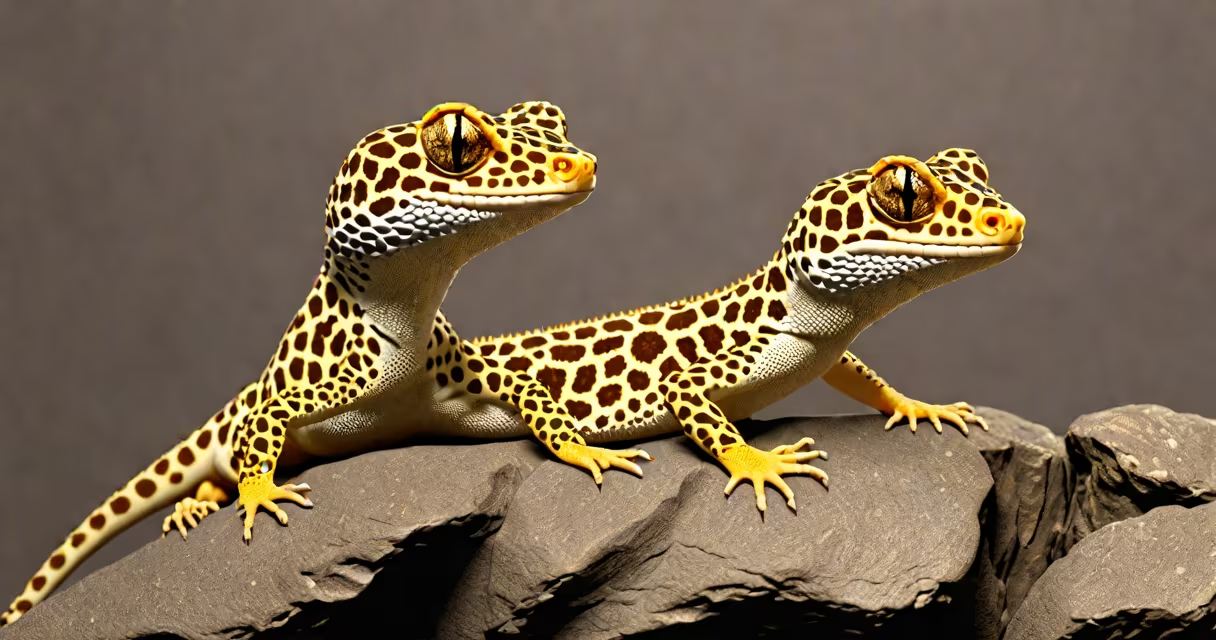
Geckos are small to medium-sized lizards belonging to the infraorder Gekkota, with over 1,500 species identified worldwide. They are known for their unique vocalizations, specialized toe pads that allow them to climb smooth surfaces, and many sizes, colors, and habitats.
Geckos are classified based on physical characteristics, behavior, and genetic traits. The most common classifications include:
The following table categorizes geckos into four primary groups based on their characteristics:
| Type | Examples | Key Features |
|---|---|---|
| Dwarf Geckos | Hemidactylus agamuroi, Sphaerodactylus ariasae | Extremely small, often less than 2 inches long. |
| House Geckos | Hemidactylus frenatus, Hemidactylus turcicus | Common in human dwellings, adaptable to various environments. |
| Leopard Geckos | Eublepharis macularius | Popular pets, known for their docile nature and spotted patterns. |
| Tokay Geckos | Gekko gecko | Large, aggressive, and brightly colored (blue and orange). |
Geckos inhabit every continent except Antarctica. They thrive in diverse environments, including:
Many people confuse geckos with other reptiles or have misconceptions about their behavior. For example:
Leopard geckos are among the most popular pet reptiles due to their manageable size, docile temperament, and relatively simple care requirements. They require a warm, secure habitat with hiding spots and a varied diet of insects. I once cared for a leopard gecko named Luna, who thrived on a diet of crickets, mealworms, and occasional waxworms.
According to the International Union for Conservation of Nature (IUCN), some gecko species face threats from habitat loss and the pet trade. The Phelsuma cepediana day gecko, for example, is listed as vulnerable due to deforestation in its native Madagascar habitat.