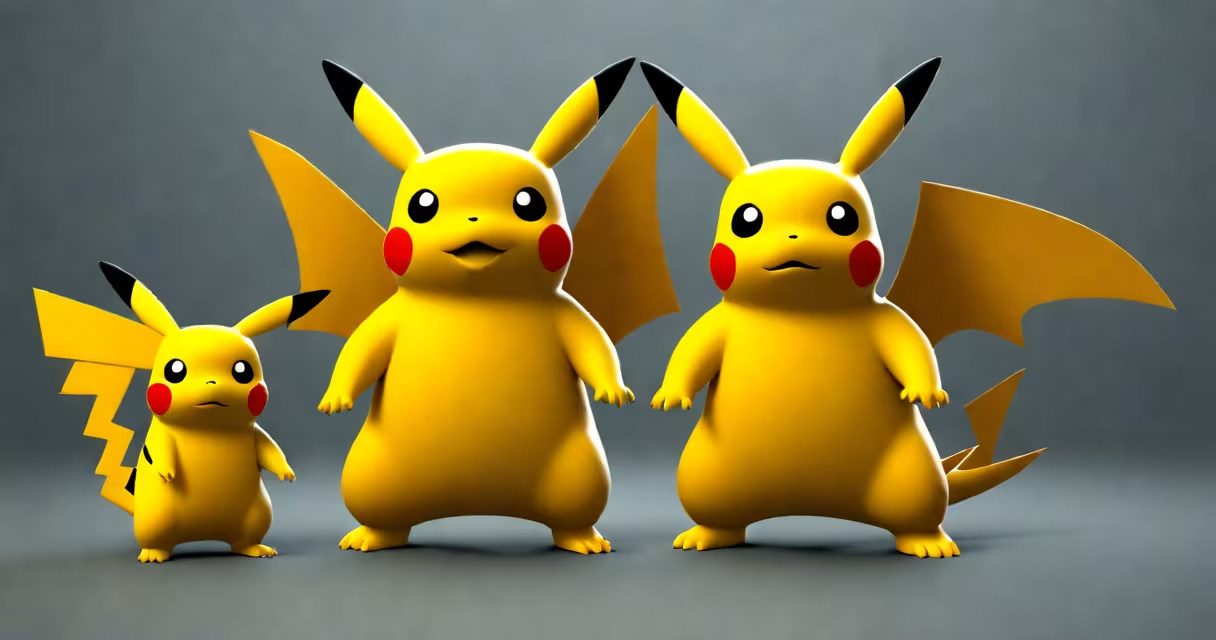
Pokémon belong to 18 types, each representing different elements or abilities that determine battle strengths and weaknesses. These types create a rock-paper-scissors changing where certain types beat others.
The 18 types are: Normal, Fire, Water, Electric, Grass, Ice, Fighting, Poison, Ground, Flying, Psychic, Bug, Rock, Ghost, Dragon, Dark, Steel, and Fairy. Each type has unique interactions with other types, creating a complex web of advantages and disadvantages in battles.
Each Pokémon has one or two types, which affect its moves, stats, and role in battles. For example, a Water-type Pokémon like Squirtle is strong against Fire-types but weak to Electric-types. The type chart determines these relationships.
Type effectiveness follows a simple rule: super-effective moves deal double damage, while not-effective moves deal half damage. Some moves are immune to certain types entirely. For instance, Normal-type moves don't affect Ghost-types.
The 18 types can be grouped into offensive, defensive, and balanced roles. Offensive types like Fire and Fighting excel at dealing high damage, while defensive types like Steel and Rock resist many attacks. Balanced types like Water and Grass offer a mix of offense and defense.
| Type | Strengths | Weaknesses |
|---|---|---|
| Fire | Grass, Ice, Bug, Steel | Water, Ground, Rock |
| Water | Fire, Ground, Rock | Electric, Grass |
| Electric | Water, Flying | Ground |
Many players assume that certain types are universally strong or weak. However, the type chart creates a balance where every type has both strengths and weaknesses. For example, while Dragon-types are useful, they are weak to Ice, Dragon, and Fairy moves.
Another misconception is that dual-type Pokémon are always stronger. While some dual-types gain resistances, others inherit additional weaknesses. For instance, a Fire/Flying Pokémon like Charizard resists Steel and Bug moves but is weak to Rock and Electric attacks.
In my experience playing Pokémon, I once built a team around a Water/Ground-type Gyarados. This combination gave it resistances to common attack types like Electric and Rock, but it was still vulnerable to Grass attacks. Understanding these interactions helped me strategize effectively in battles.
Types define a Pokémon's role in battles, influencing its strengths, weaknesses, and strategy. Understanding these relationships is key to becoming a skilled trainer.